![[PHOTOGRAPH] Hidden Shiga Japan,Ninja History,Shigaraki Pottery,Old Post Towns by kokaindex](http://kokaindex.com/en/wp-content/uploads/2026/01/logo-miji-2.jpg)

Contents
A Sacred Mountain Worshipped in the Yokaichi Area of Shiga
Comparing it to Tibet’s Potala Palace might be an exaggeration—but still.
This time, I visited a place that I personally consider one of the most striking scenic spots in Shiga Prefecture.
It is a sacred mountain in Higashiomi City, Shiga, affectionately known as “Taro-bo-san.”
Victory Deity (God of Success) – Taro-bo Shrine Official Website
http://www.tarobo.sakura.ne.jp/index.html
“Taro-bo-san” is the local nickname for a massive rocky mountain that suddenly rises from the townscape of Yokaichi.
While I don’t know all the historical details, it has long been revered by local people as a sacred mountain.
Since ancient times, it has been known as “the mountain of the gods,” “a mountain where tengu dwell,” and “a sacred site for Shugendo ascetic training.”
This mountain is worshipped as a place that grants victory and good fortune, and many business leaders, athletes, and others visit it as a spiritual power spot.
The enshrined deity is Masakatsu Akatsukachihayahiamenoshiho-mimi-no-Okami, the first imperial son of Amaterasu Omikami, the principal deity of Ise Grand Shrine.
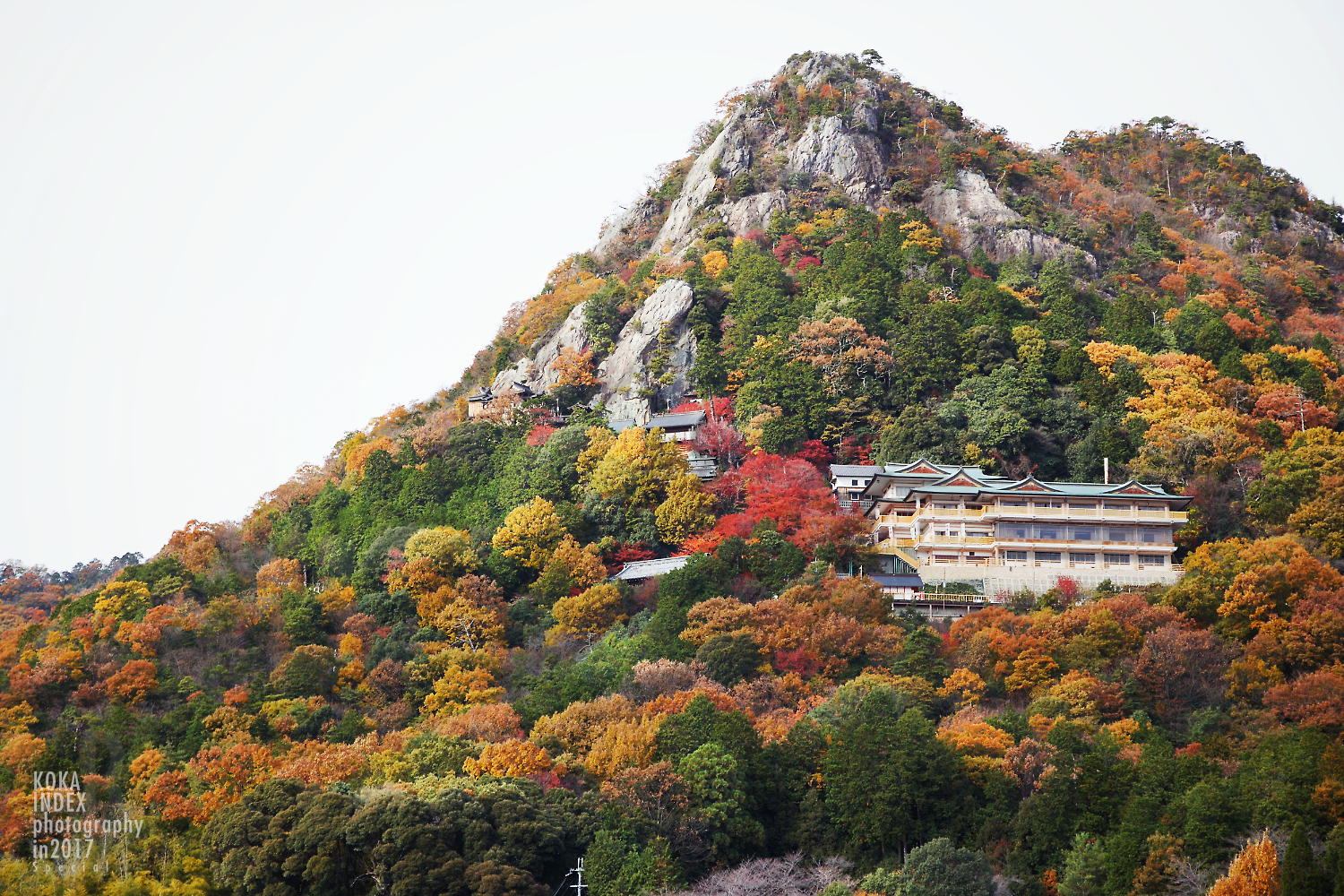
A Sacred Mountain with the Atmosphere of the “Potala Palace”
So, why does it resemble the Potala Palace?
Halfway up the steep rocky mountain of Taro-bo-san stands a shrine building whose appearance evokes a miniature version of the Potala Palace.
Throughout the mountain, there are numerous religious structures, all connected by stairways.
Climbing these steep steps to pray feels almost like a form of spiritual training, offering an atmosphere and experience far removed from everyday life.
During New Year holidays, many locals visit here for their first shrine visit of the year.
This time, I saw a Facebook post saying, “The autumn leaves at Taro-bo-san are beautiful right now!”—so I went immediately.
Taro-bo-san is a surprisingly rugged mountain, known for its steep stairways and impressive overall scenery.
I first walked slowly around the base of the mountain, taking my time, before climbing the long and steep staircase leading upward.
As the shrine of the god of victory, I made a heartfelt prayer for success and good fortune in my family business.
Rather than going into too much detail here, I’ll leave further explanations to the photo captions.
Let’s take a look at the photos.
Photography Equipment
Canon EOS Kiss Digital X7i + EF-S 15–85mm f/3.5–5.6
Canon EOS 7D + Sigma 30mm f/1.4
Location: Taro-bo / Aga Shrine (Taro-bo Shrine)
Location & Access
Address:2247 Kowaki-cho, Higashiomi City, Shiga 527-0091, Japan
TEL: +81-748-23-1341
Website: http://www.tarobo.sakura.ne.jp/
Exploring “Taro-bo-san” Through Photographs
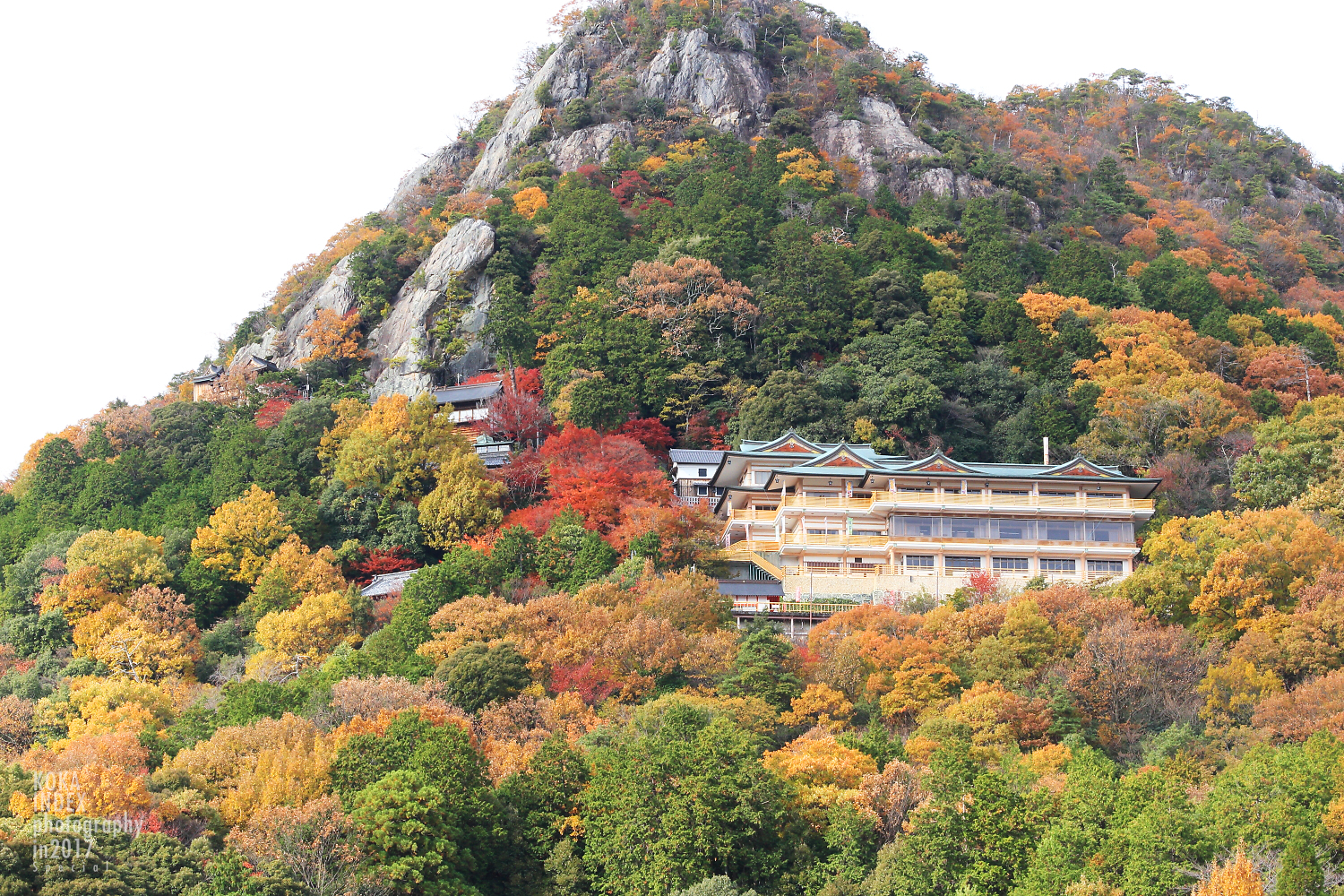
Taro-bo Shrine stands on Mt. Akagami (Mt. Taro-bo), at an elevation of 350 meters. The mid-mountain structure is the prayer hall.

The exposed rocky landscape is highly distinctive and powerful—best captured in panoramic shots.
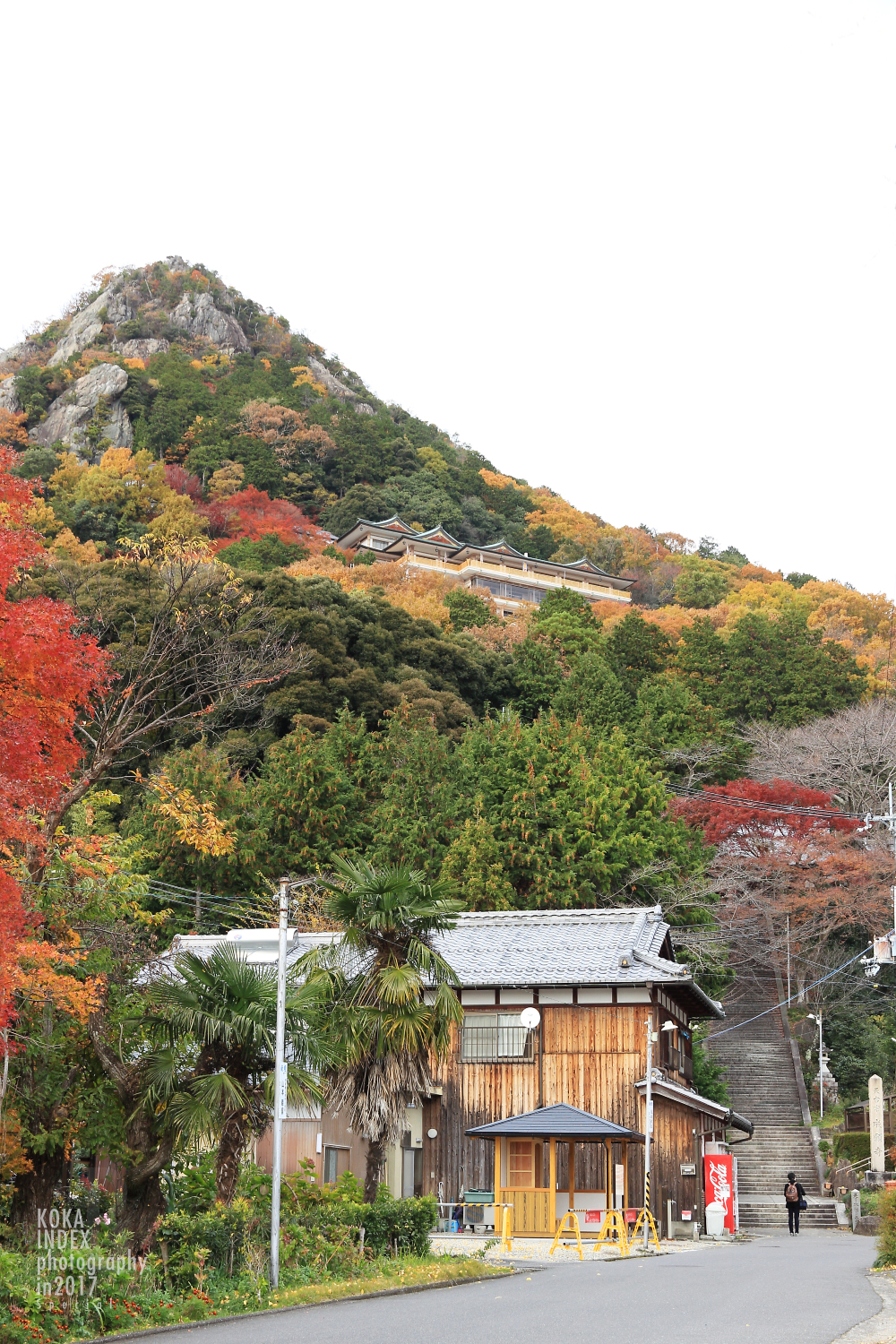
The entrance to the approach path. From here, the steep staircase begins. There are said to be 740 steps to the main shrine. Quite impressive.
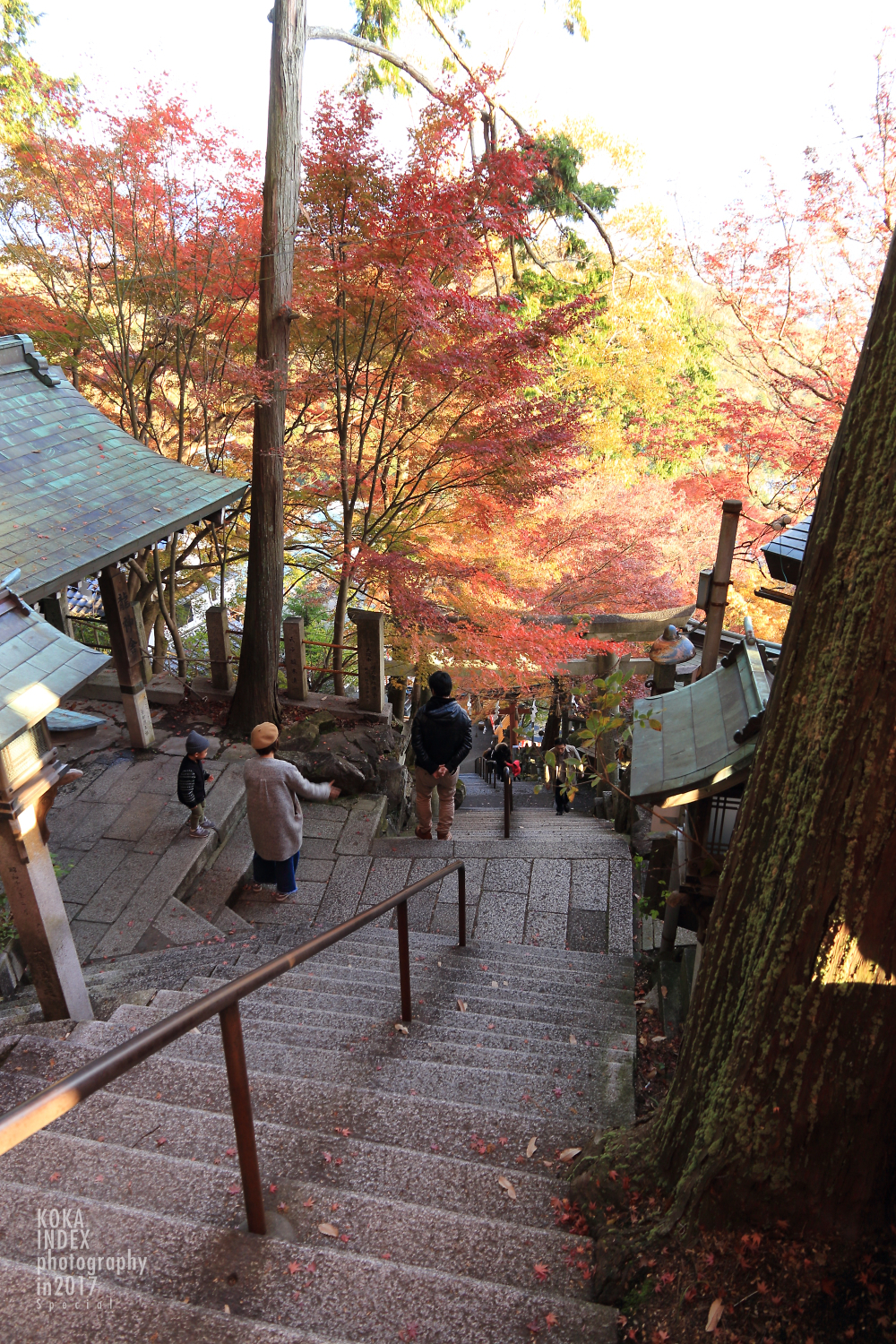
The steepness of the stairs is clearly visible even in photos.
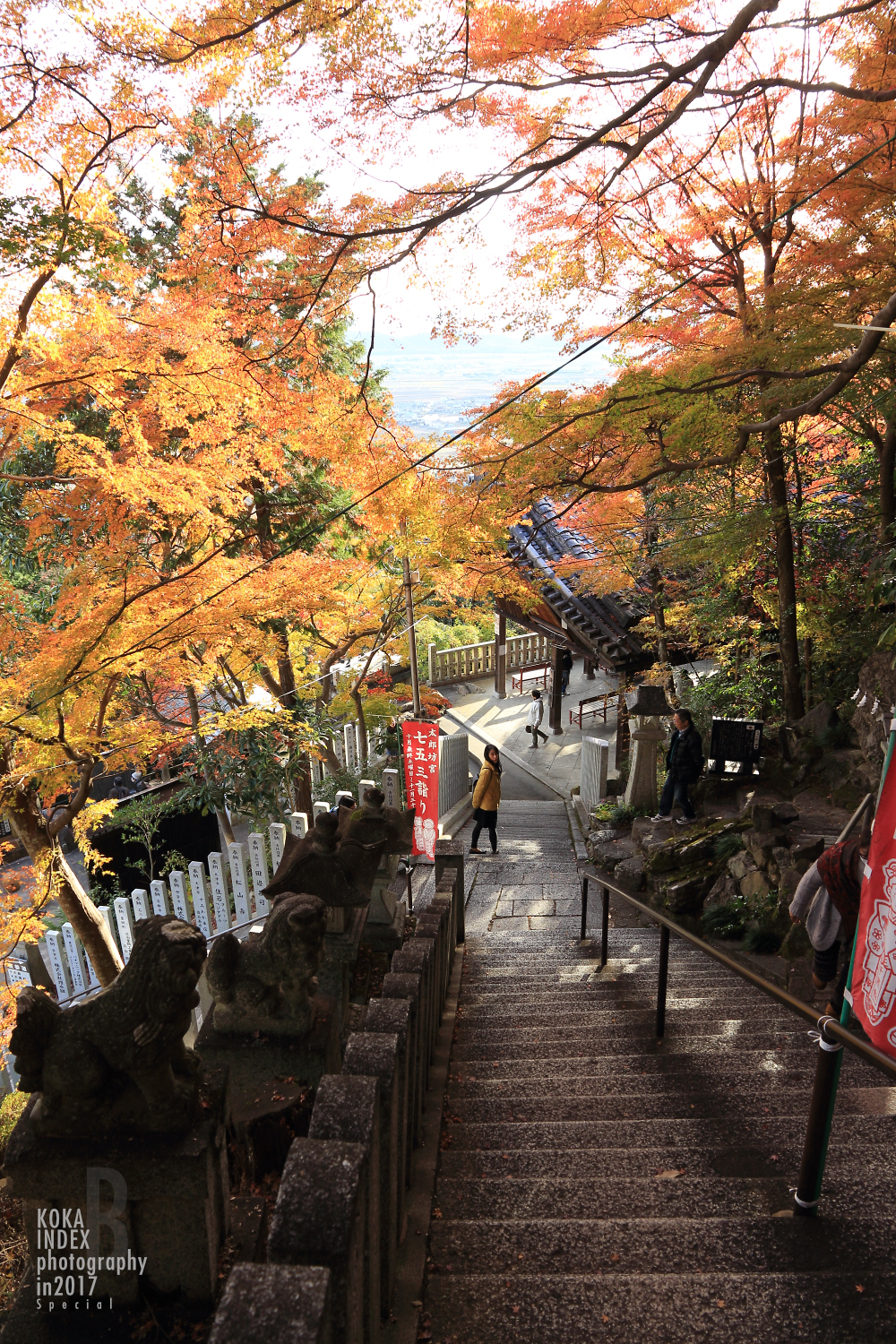
It’s not just endless stairways—there are many visually striking scenes along the way, so it never gets boring.
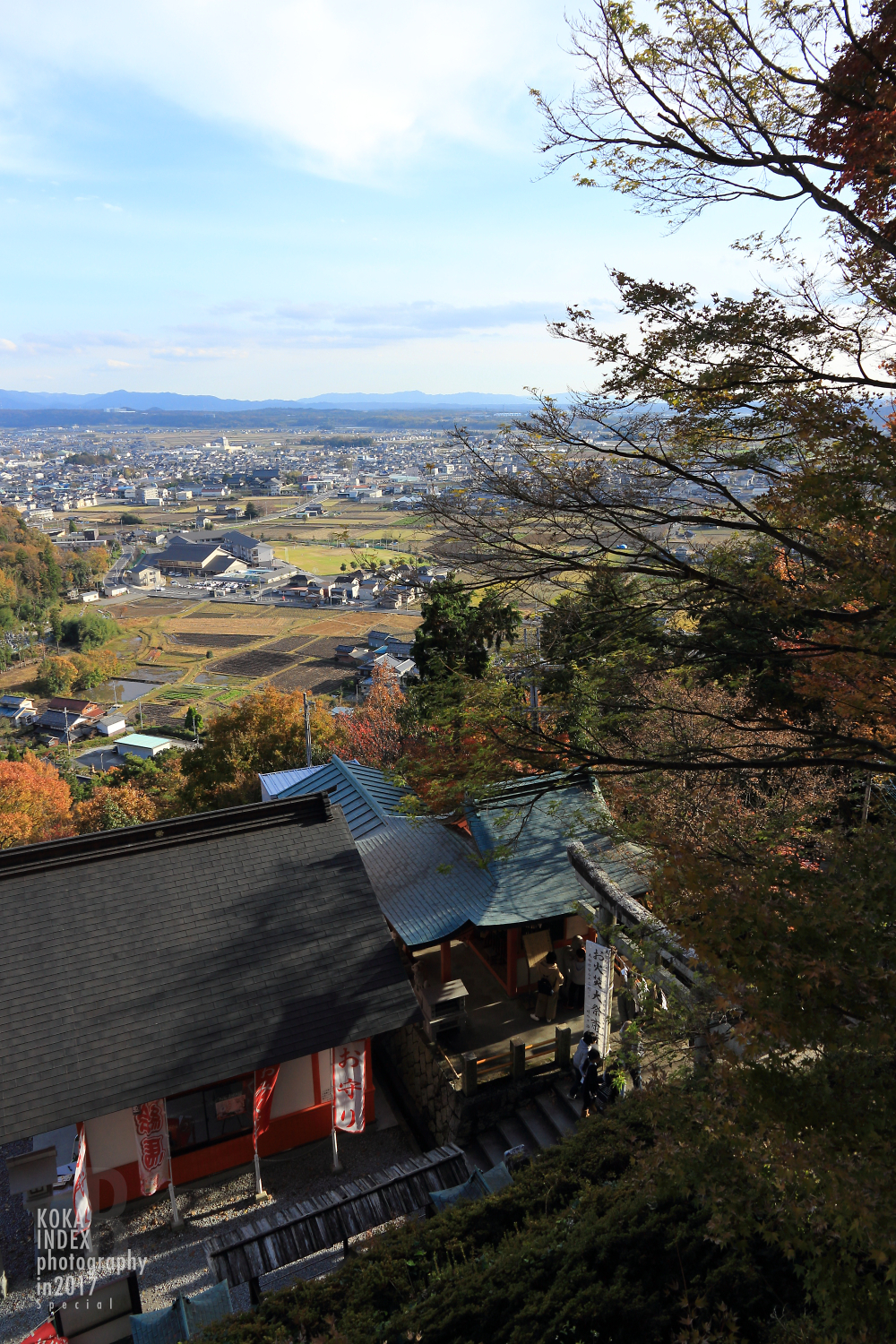
Views of Higashiomi City can be seen from various points along the path.
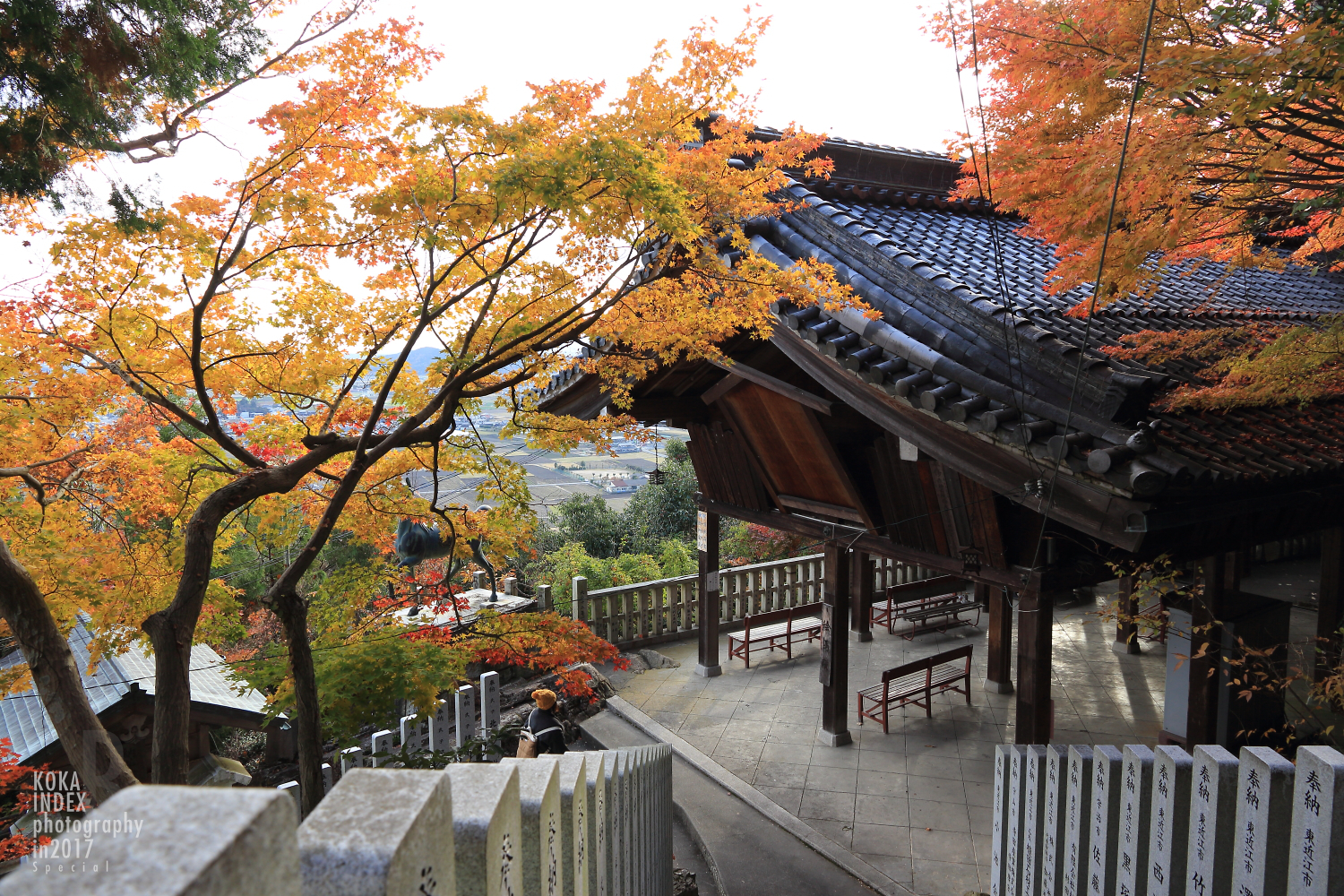

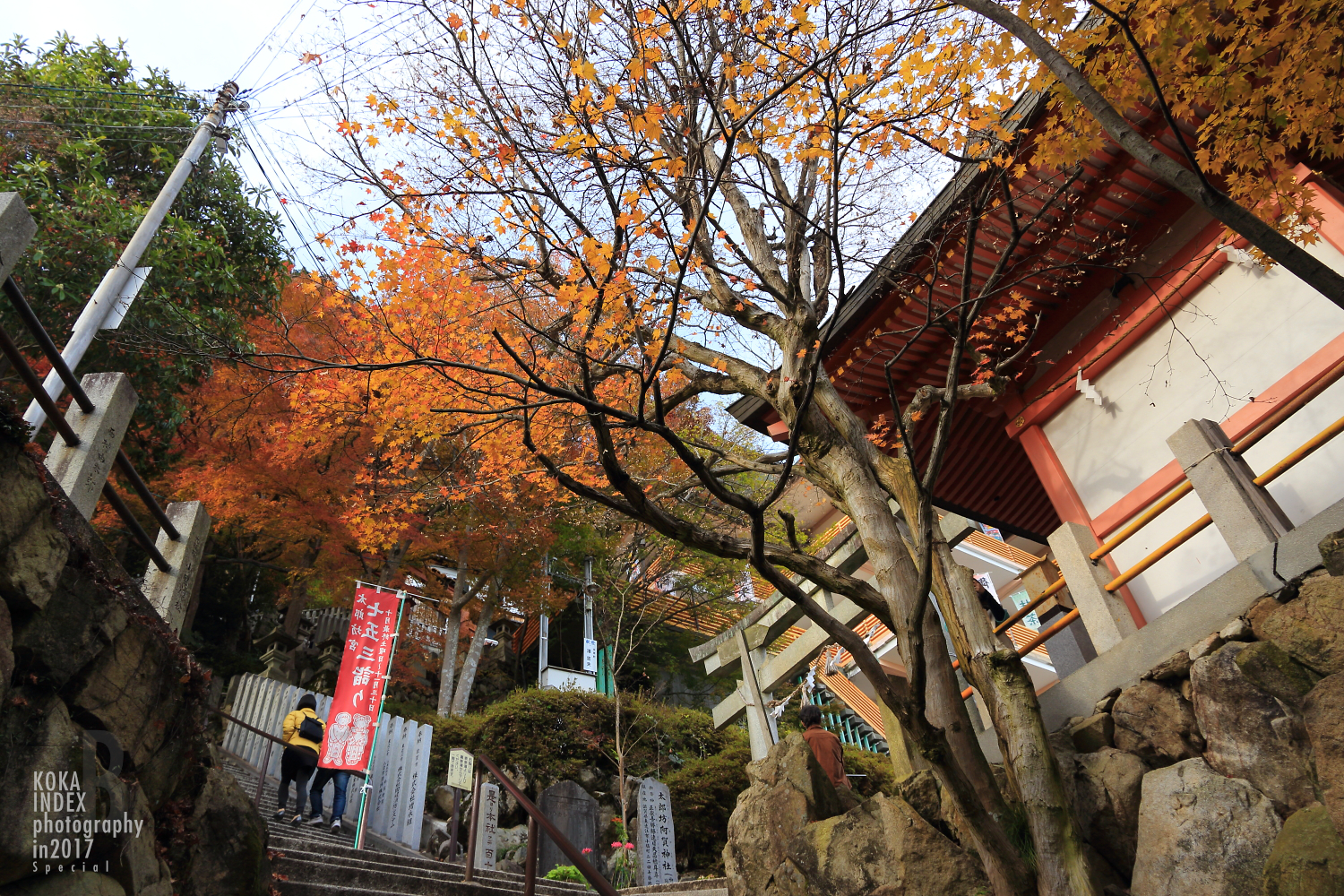
We’ve reached the prayer hall here. About one-third more to go to reach the Meoto Iwa (Married Rocks), where the main shrine stands.
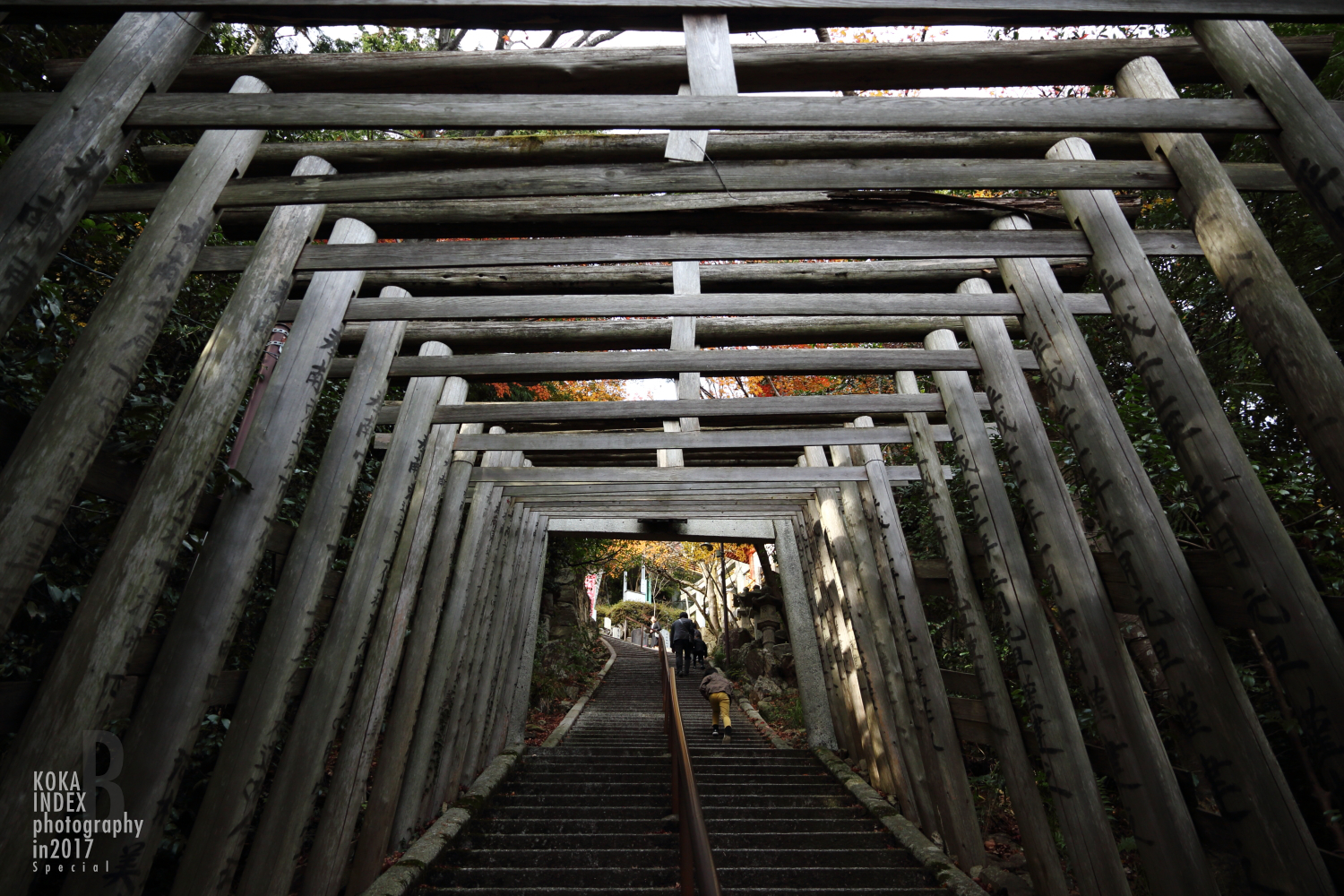
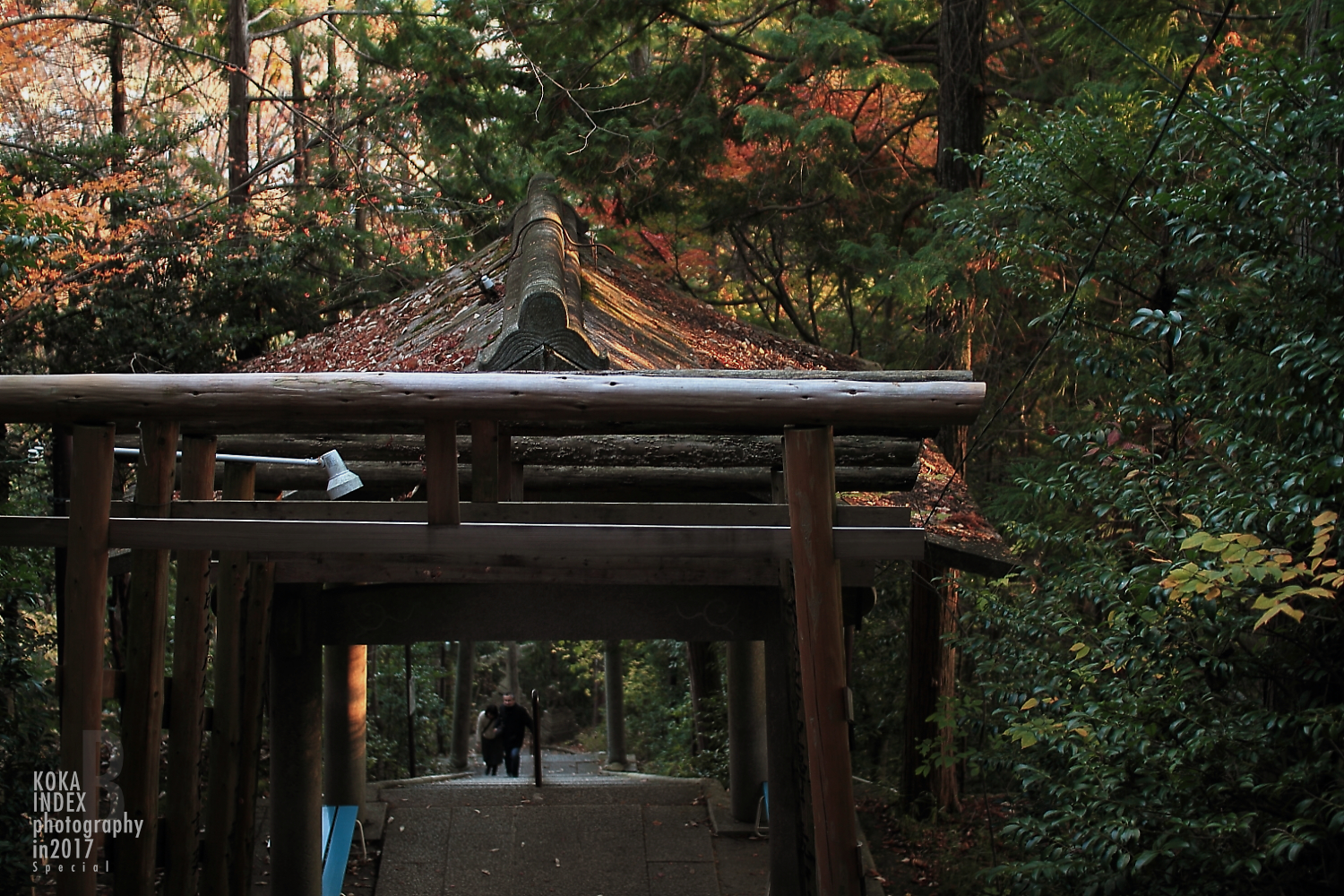
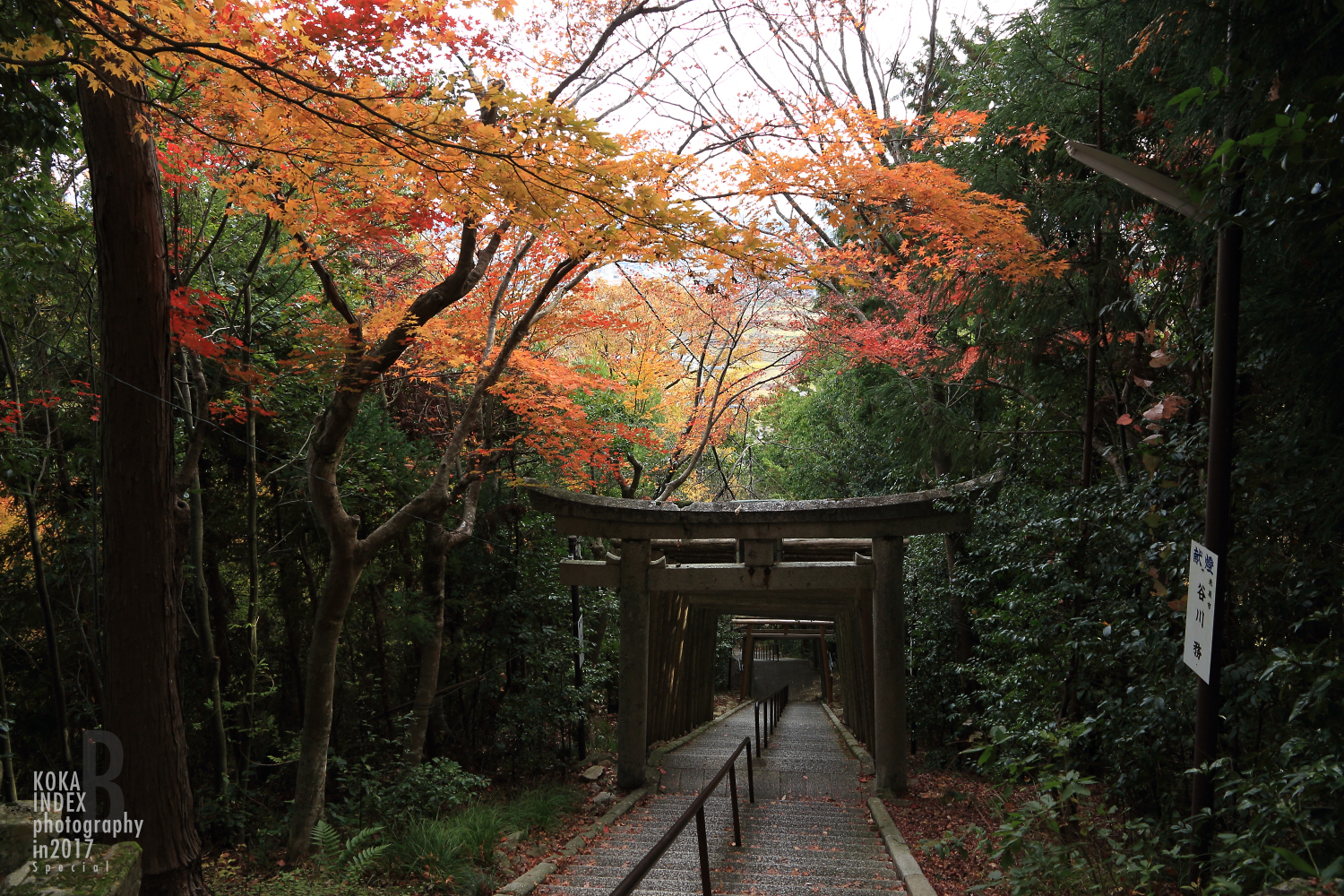
Today’s best shot (stairway edition). The gray torii gate feels almost otherworldly.
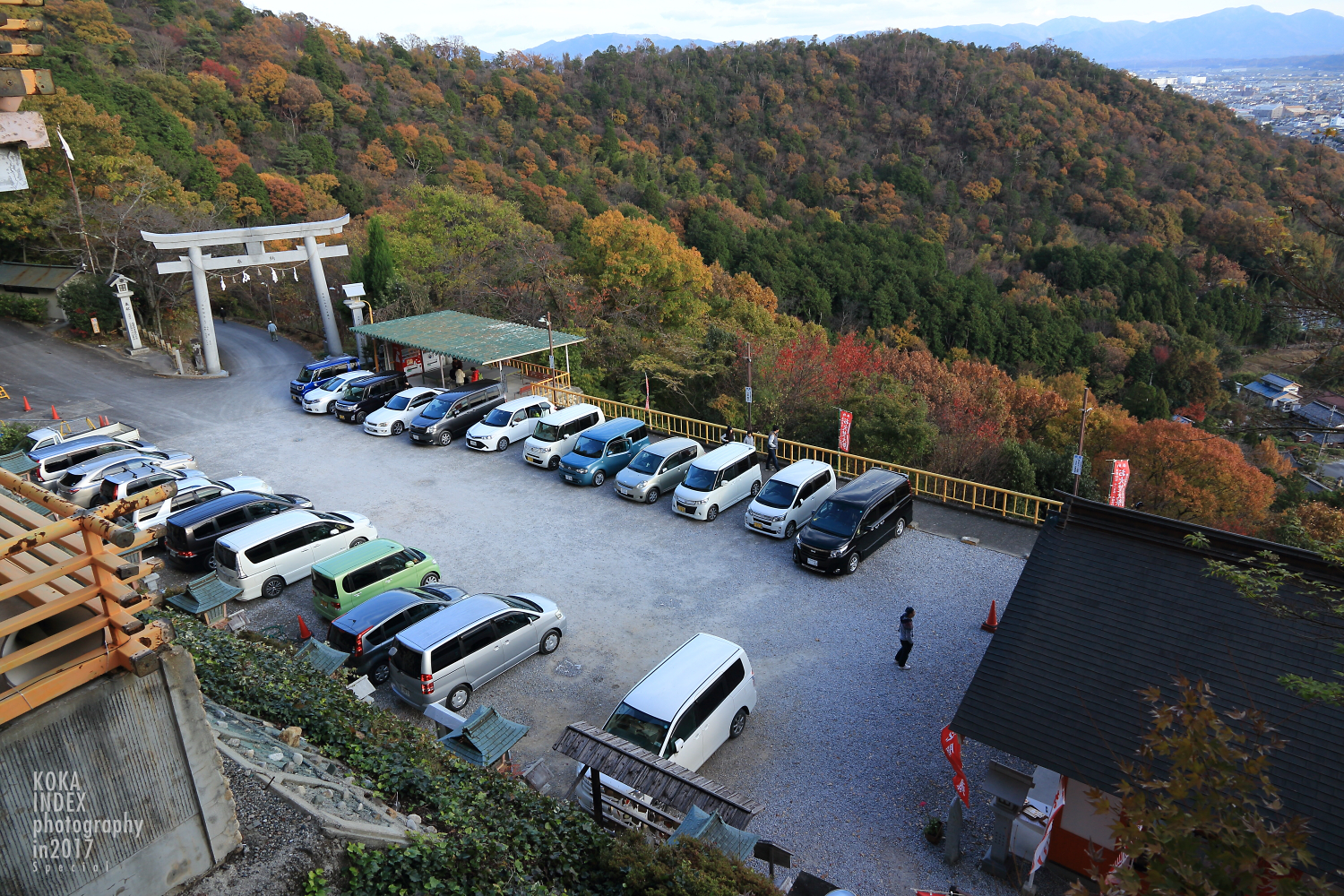
In fact, you can drive up to the mid-mountain prayer hall by car.
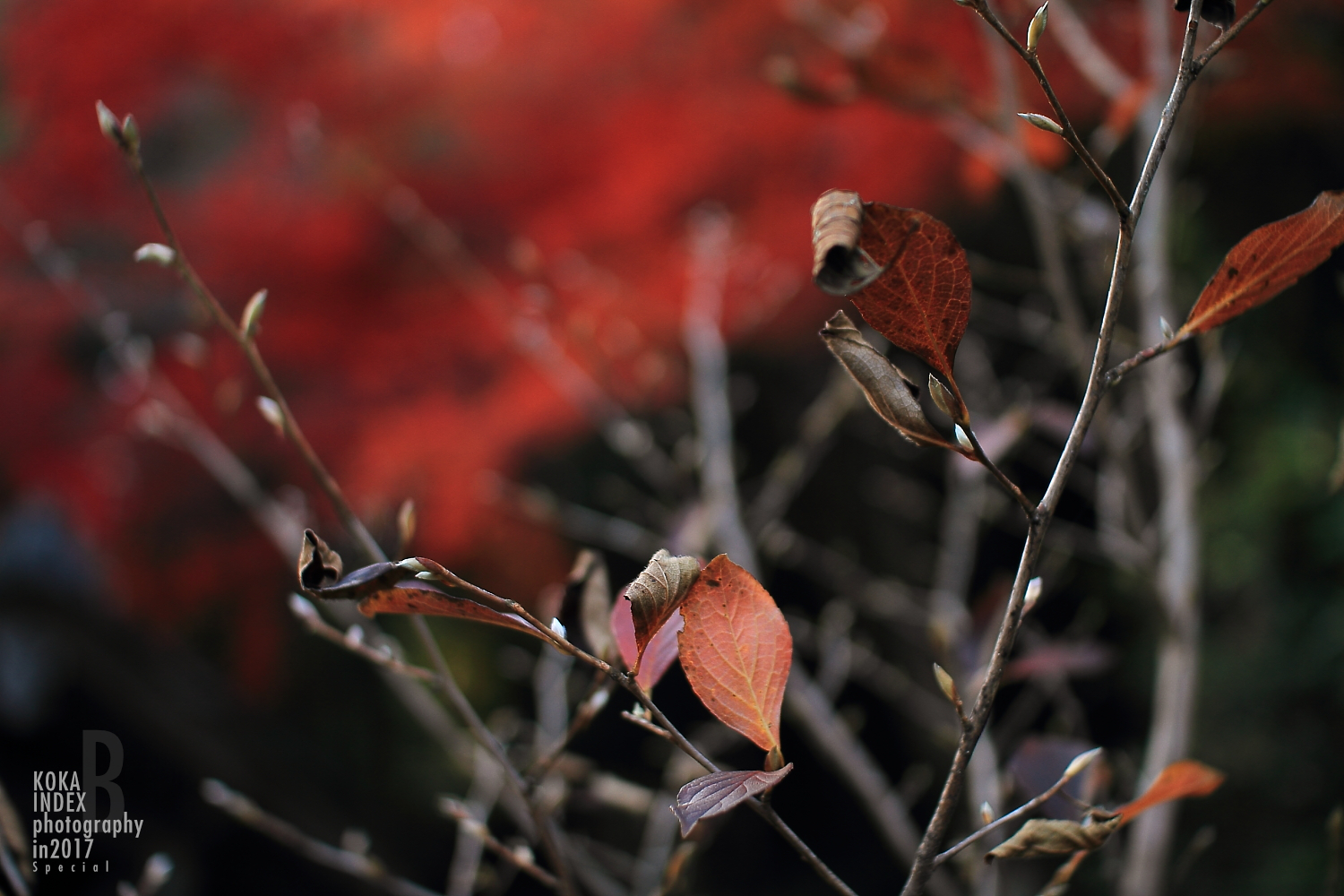
Surrounded by nature, it felt truly refreshing.
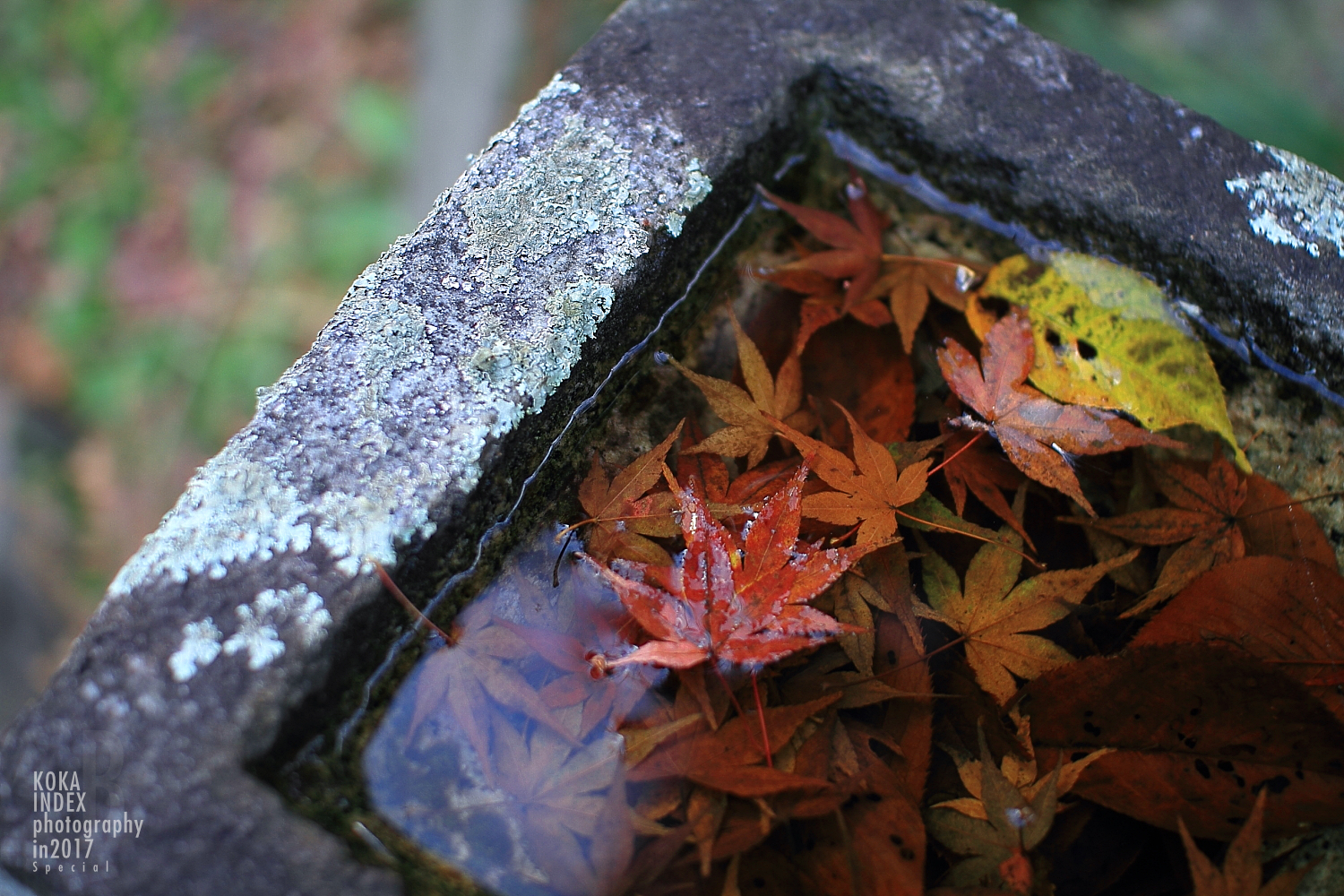
Fallen leaves were everywhere—perfect for enjoying autumn, though a bit slippery on the stairs.
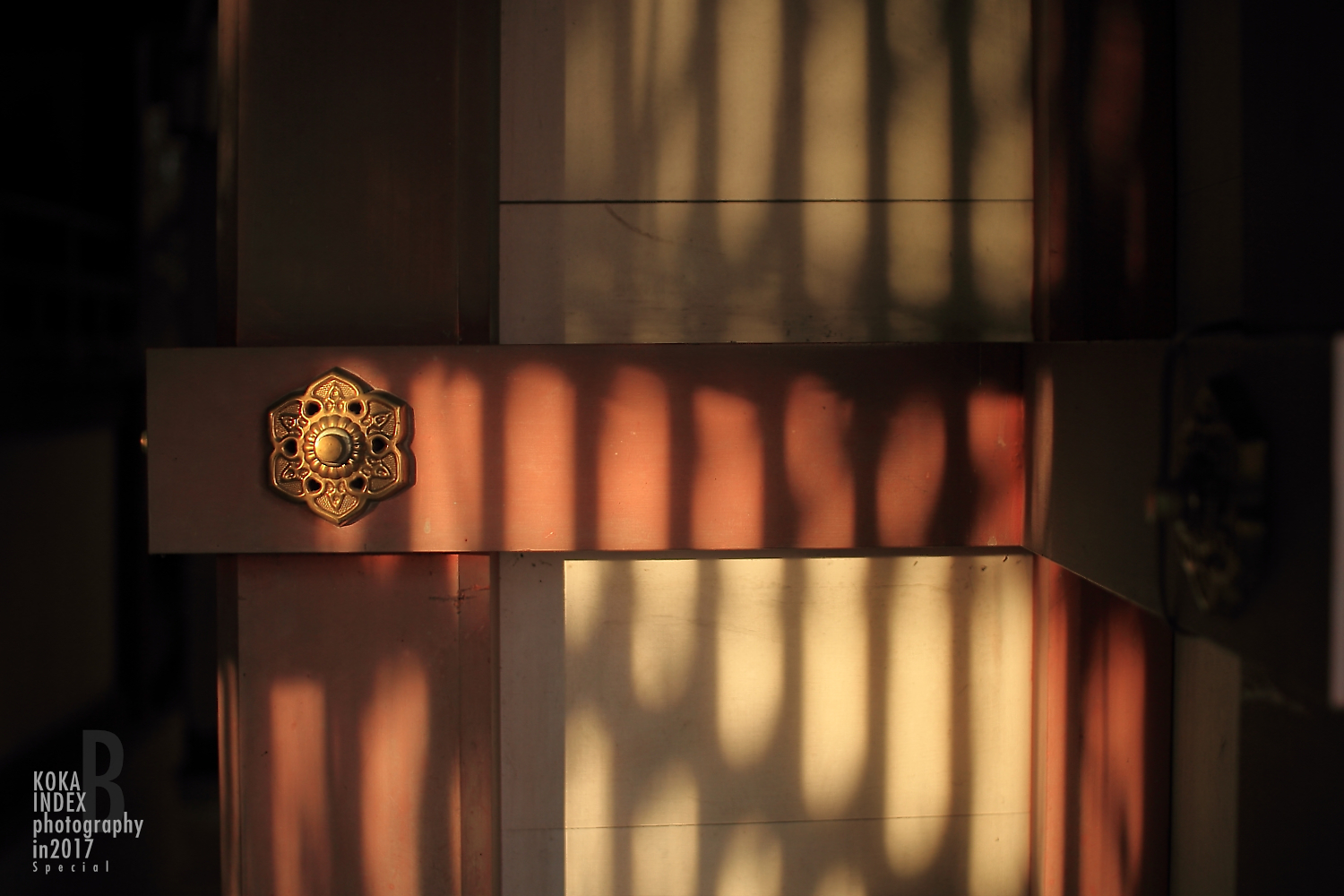
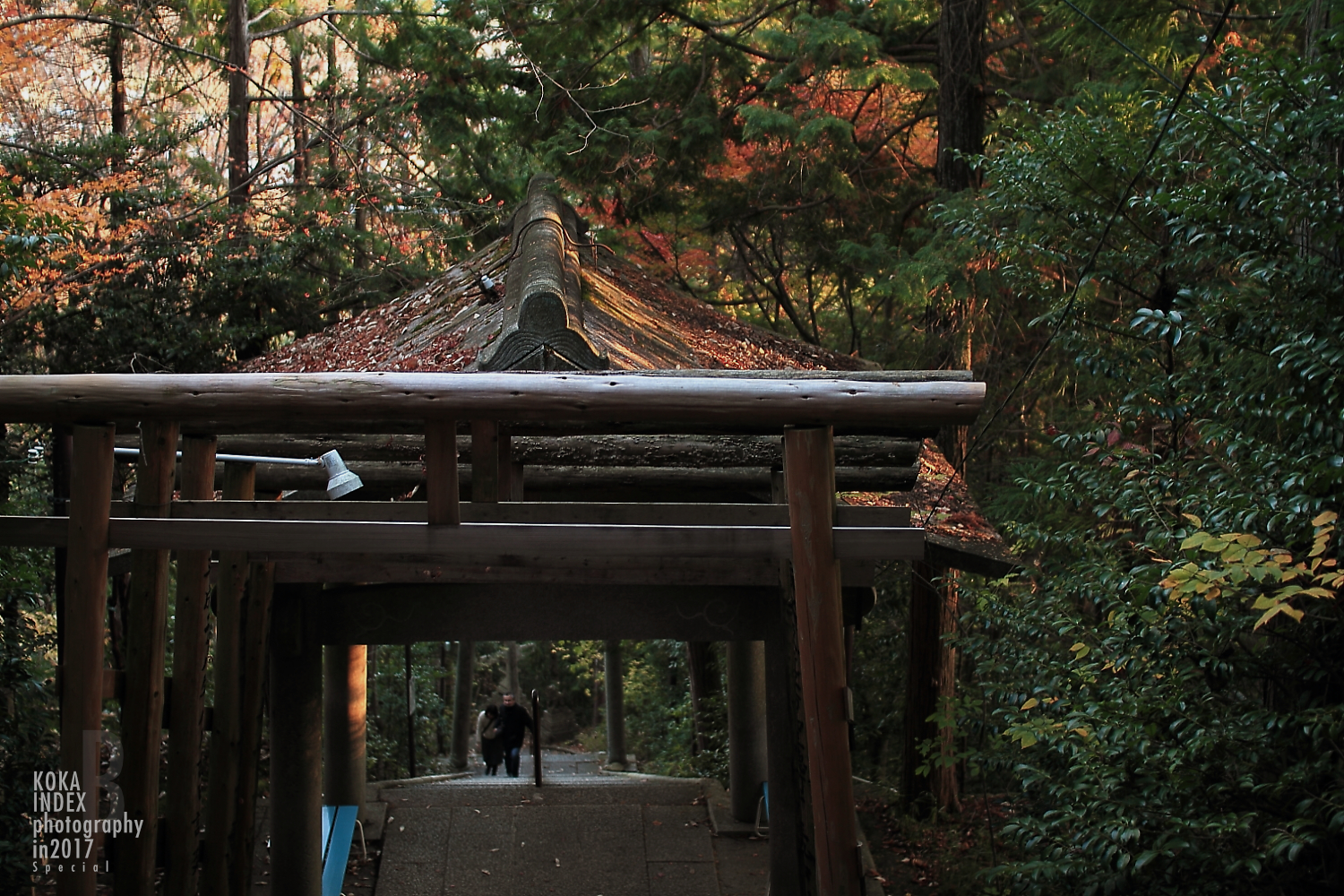
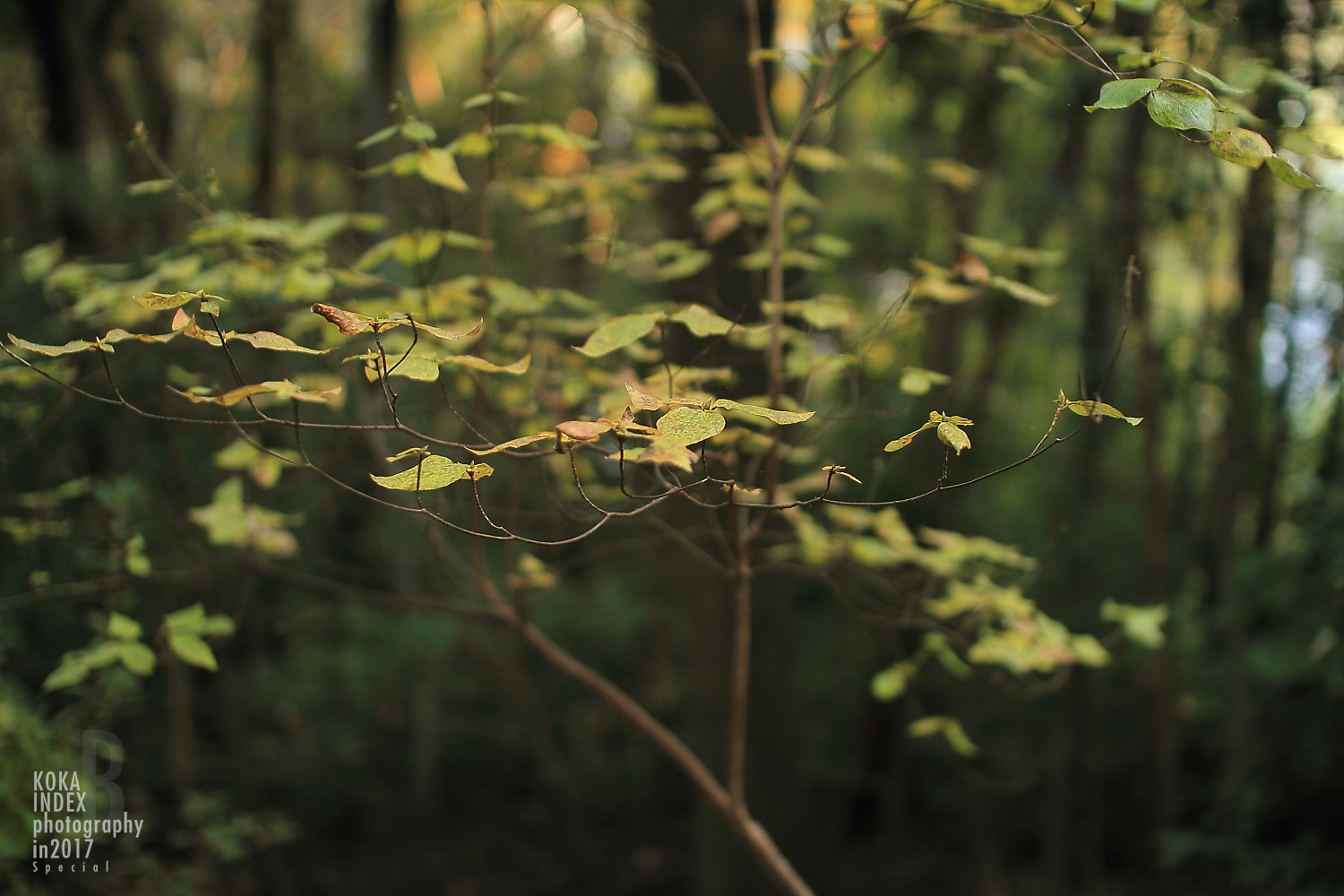
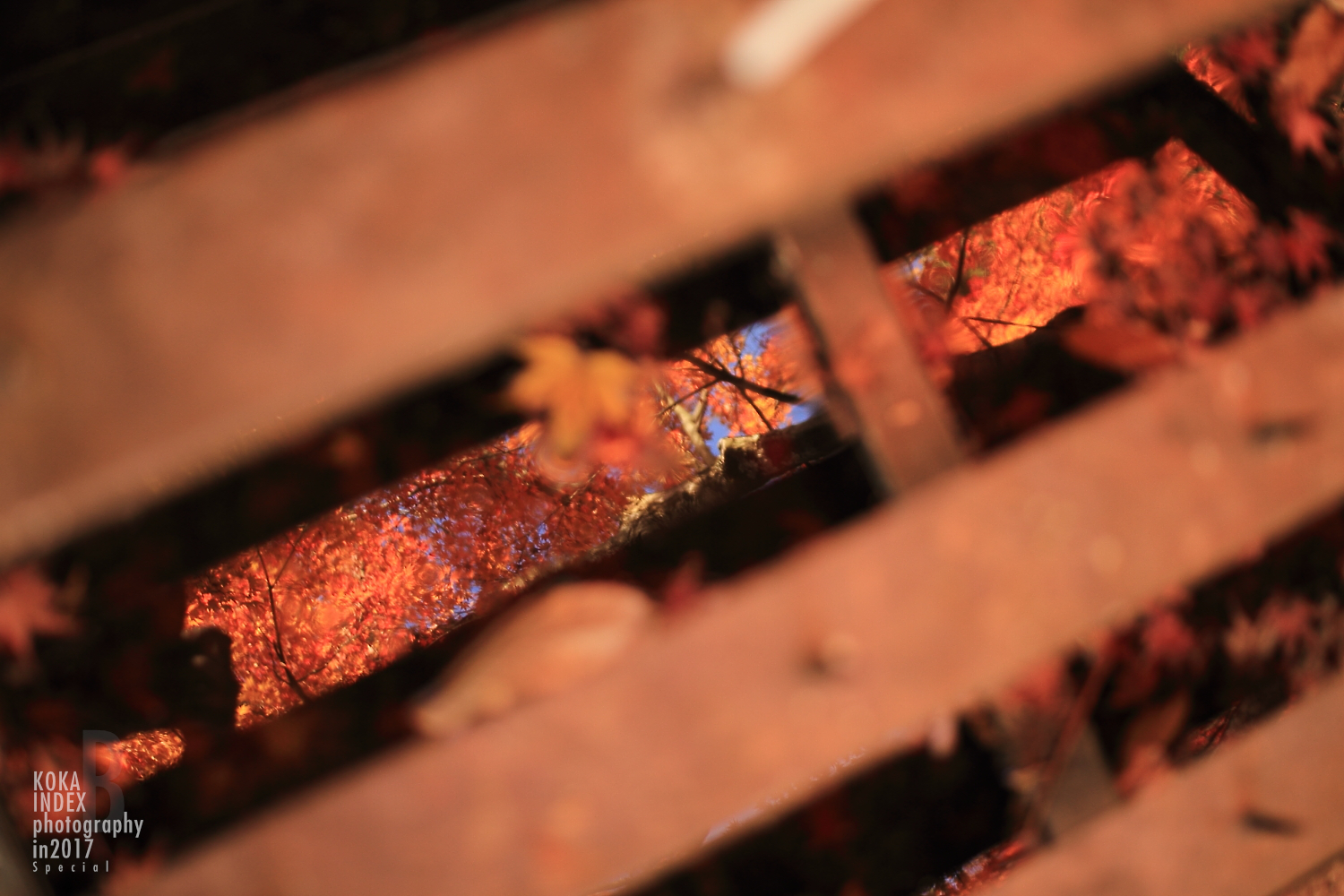
A brief moment of sunlight before sunset revealed beautiful autumn colors.
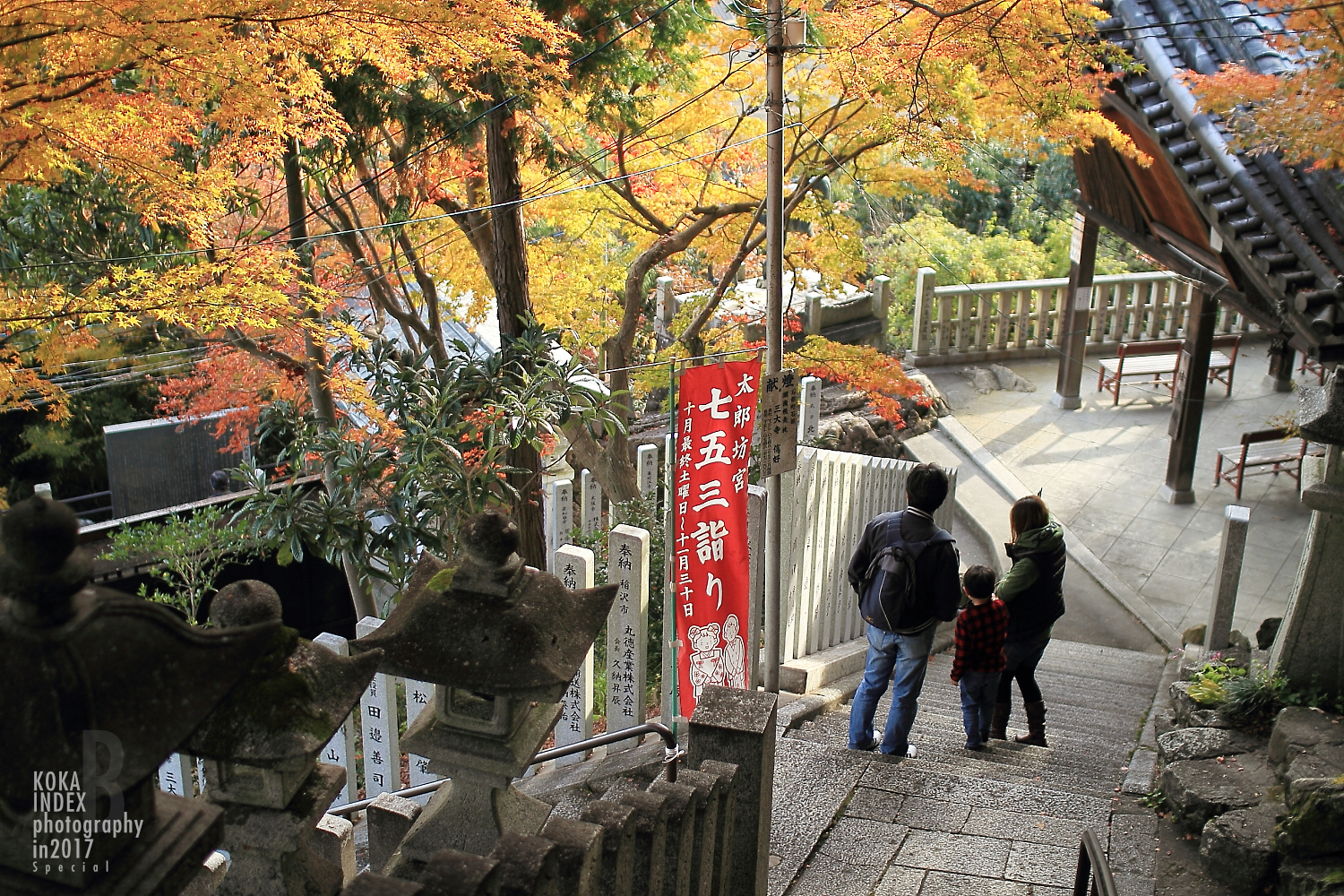
Many families were visiting and praying together.
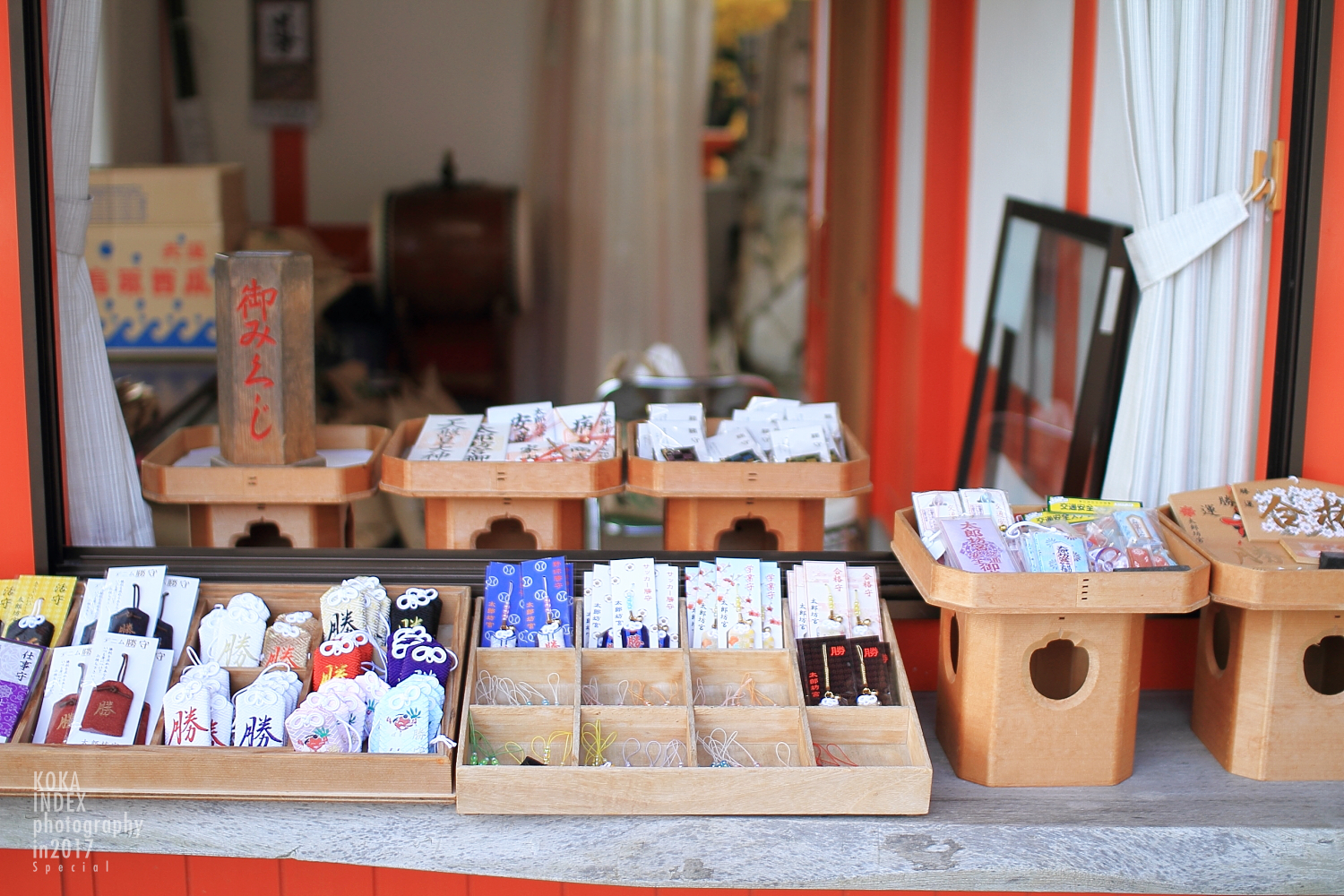
Amulets displayed at the prayer hall.
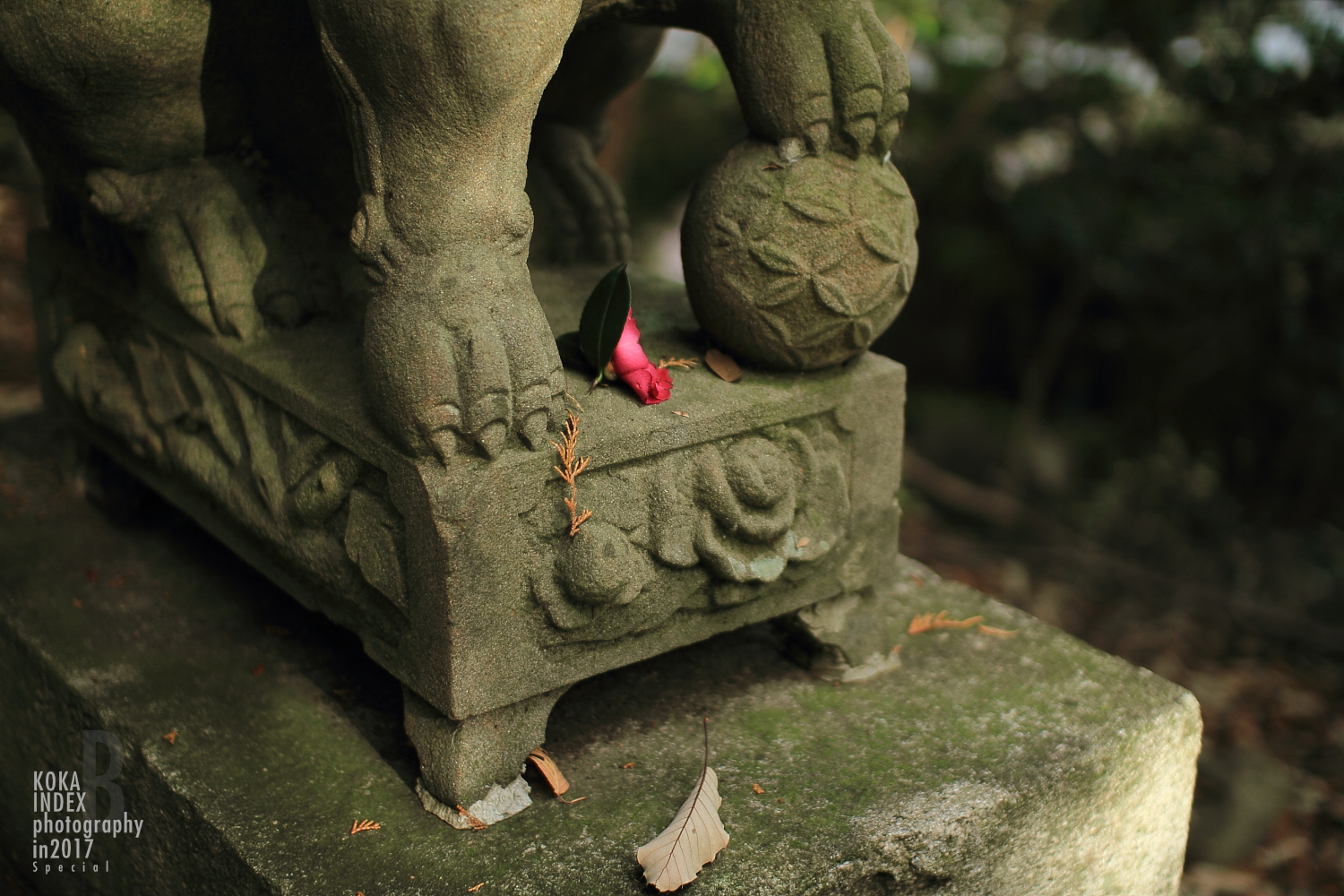
Why is the guardian lion-dog (or Chinese lion?) holding a ball? I’ll have to look that up sometime.
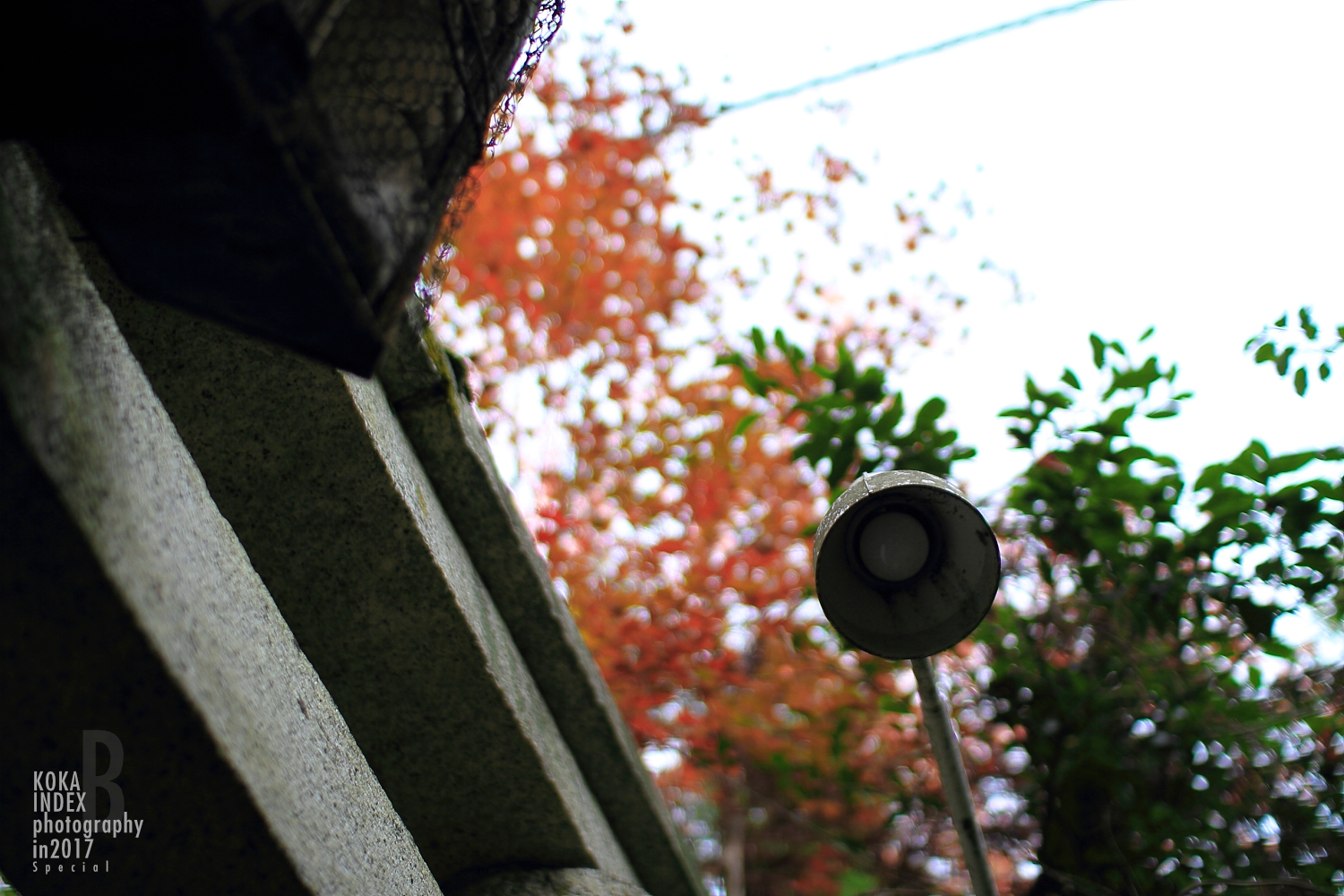
The mountain is open 24 hours, with no gates closed at night. These are the stairway lights.
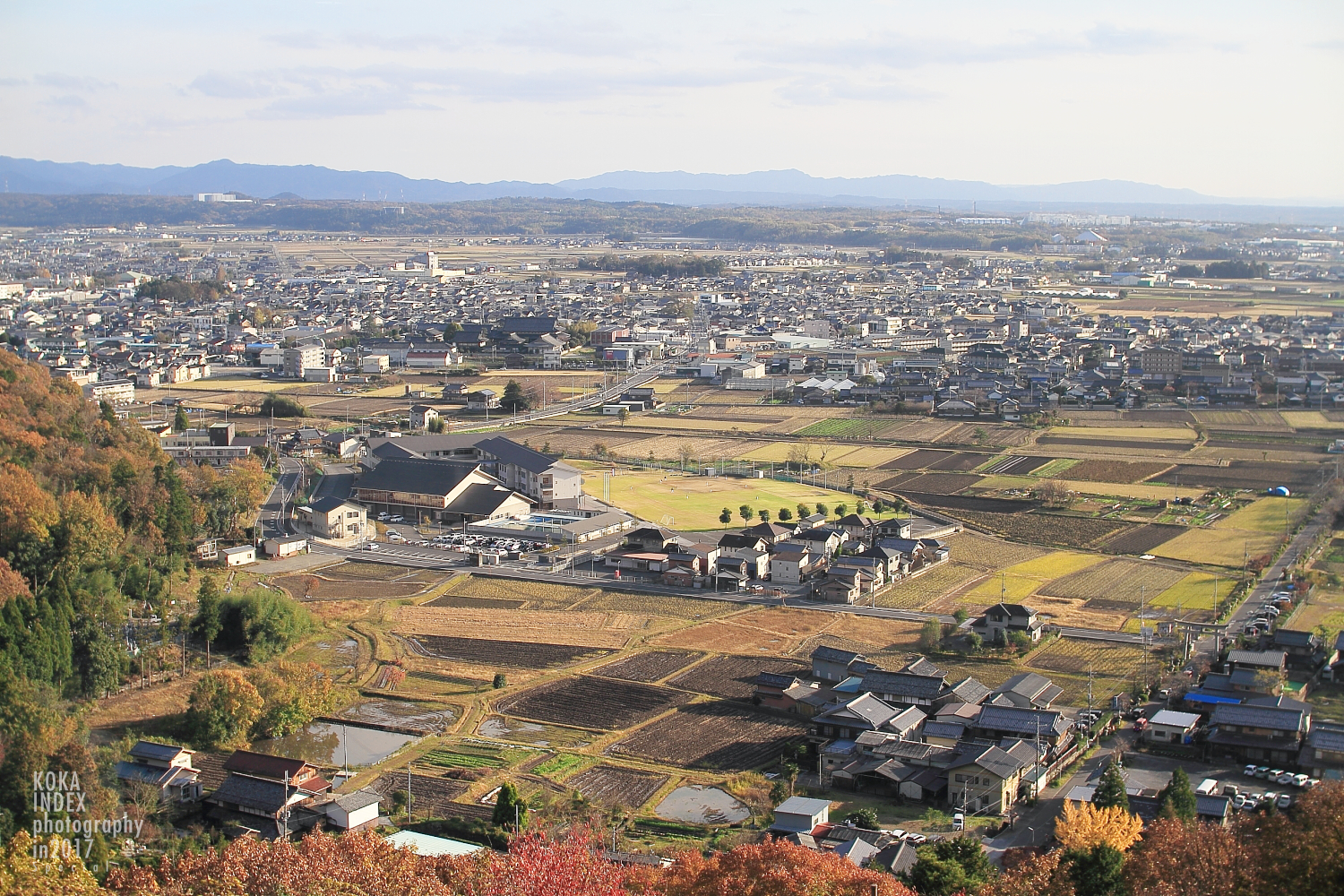
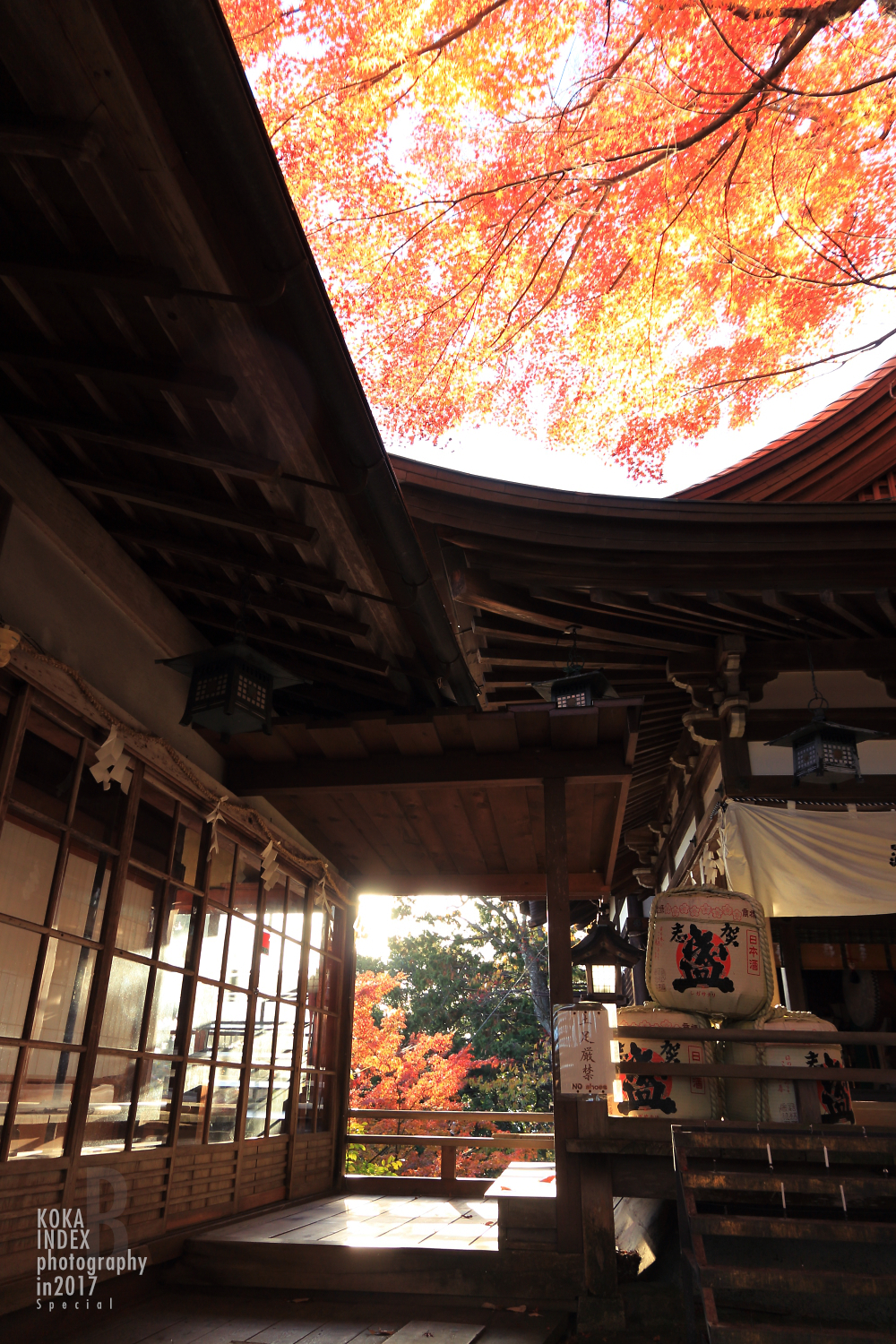
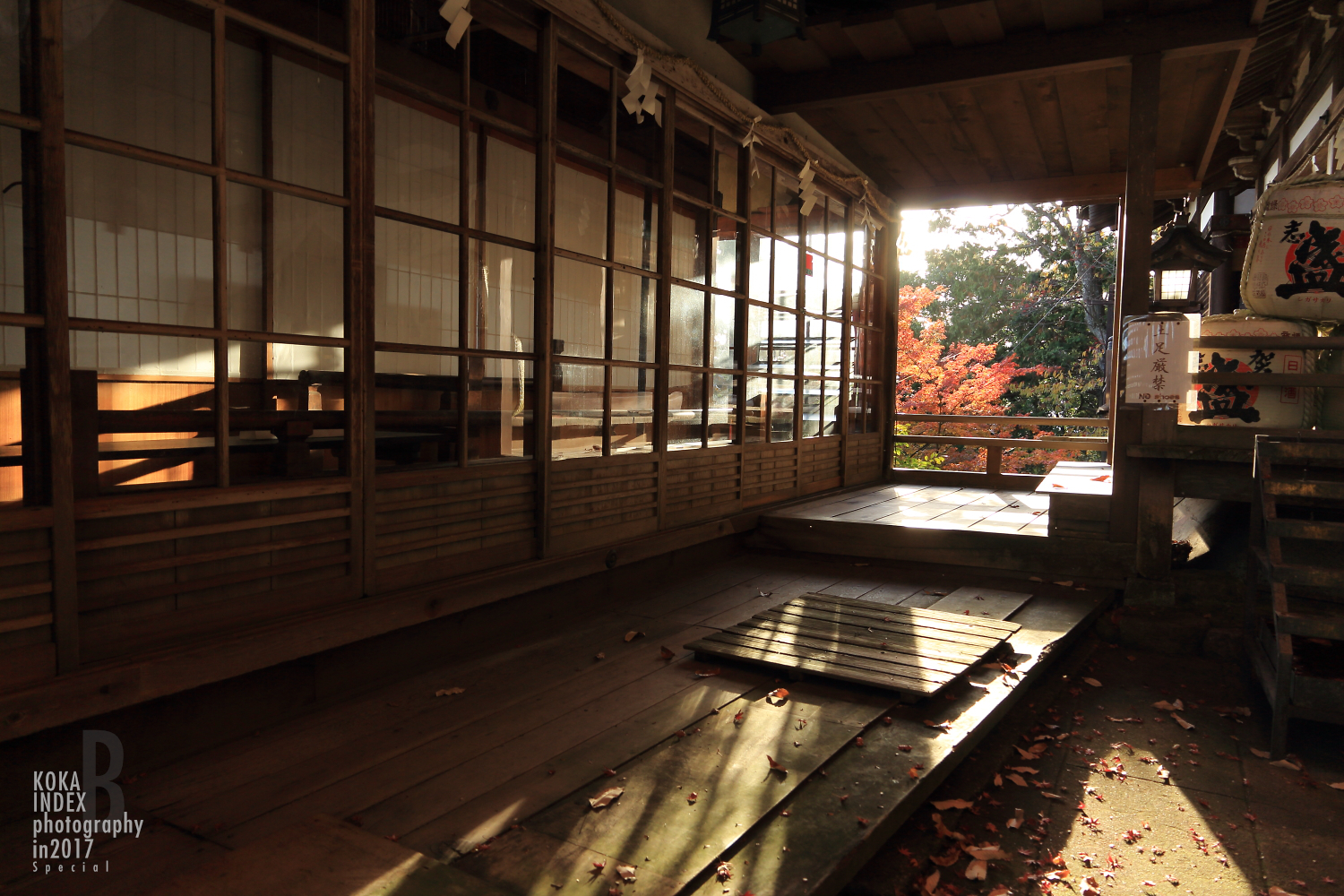
The view from the prayer hall—clear air and a wide panorama. You can see the torii gates along the path and the round pond I was aiming to photograph.
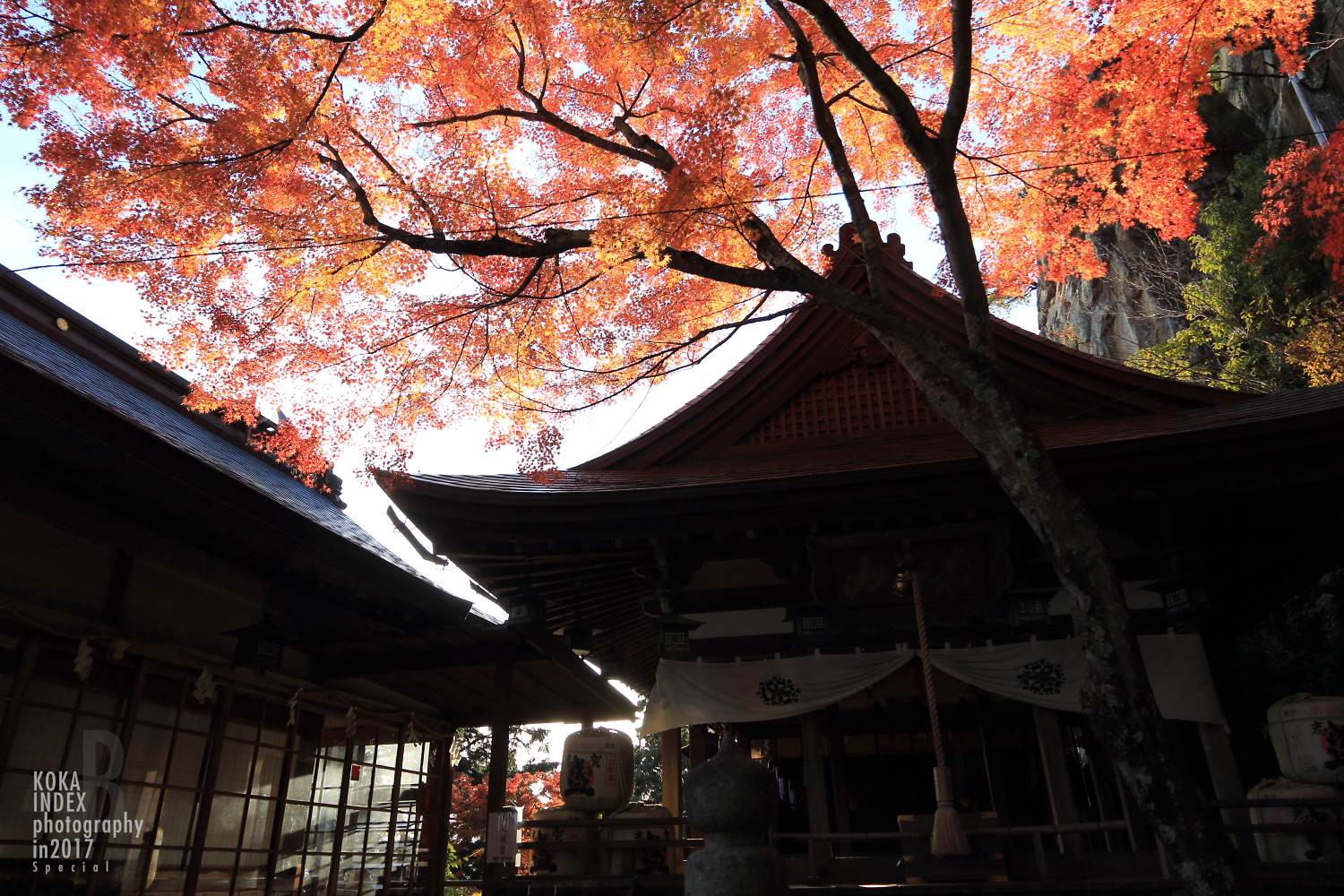
The sunlight broke through just as I arrived here.
Afterword
This was my second visit to Taro-bo-san, and once again, what stood out most was its atmosphere.
Upon entering the mountain, you immediately feel the unique presence of a sacred training site—both shrine and temple-like—which fully explains why it is considered a power spot.
As a Japanese person, I find myself wanting to visit a place like this when my spirit feels weakened, simply to breathe in the sacred air and regain balance.
コメントを残す