![[PHOTOGRAPH] Hidden Shiga Japan,Ninja History,Shigaraki Pottery,Old Post Towns by kokaindex](http://kokaindex.com/en/wp-content/uploads/2026/01/logo-miji-2.jpg)

Contents
About Kyorinbo Temple
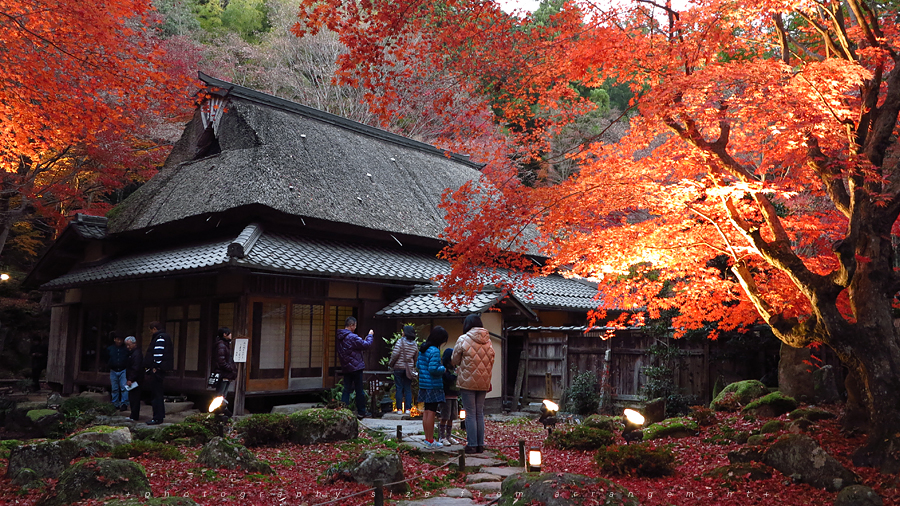
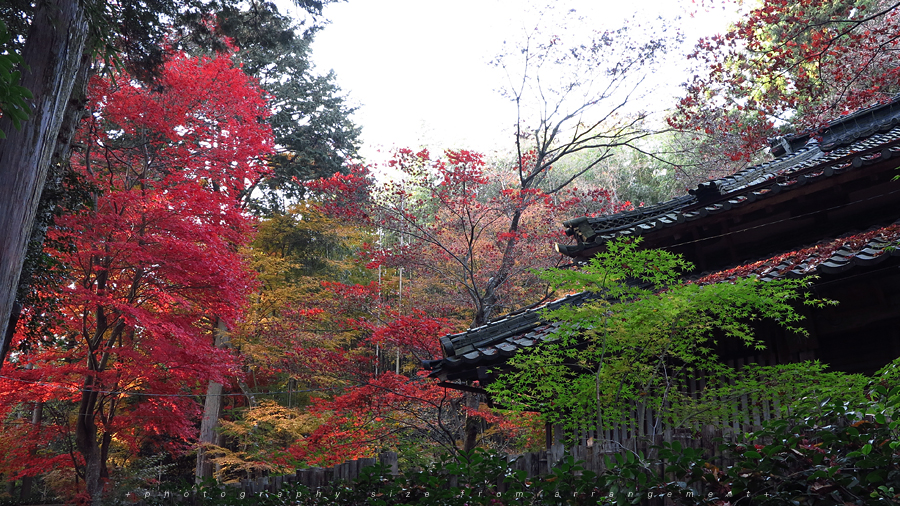
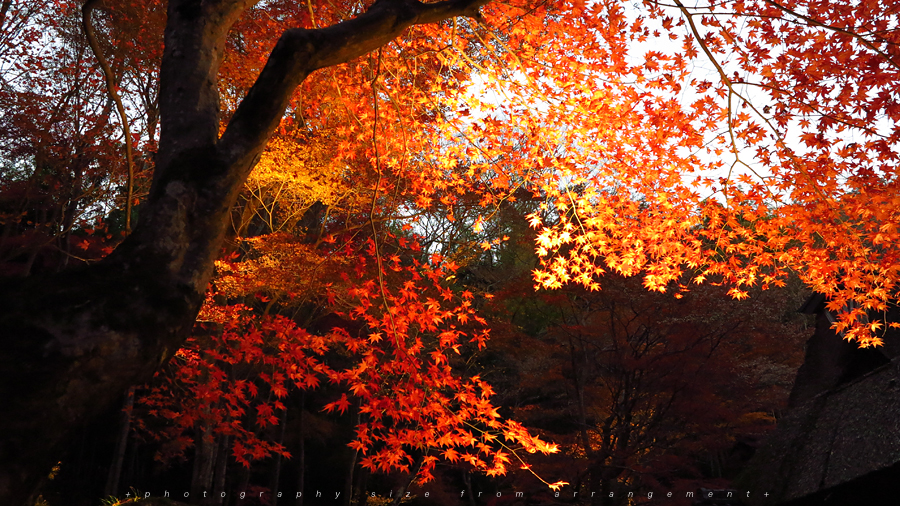
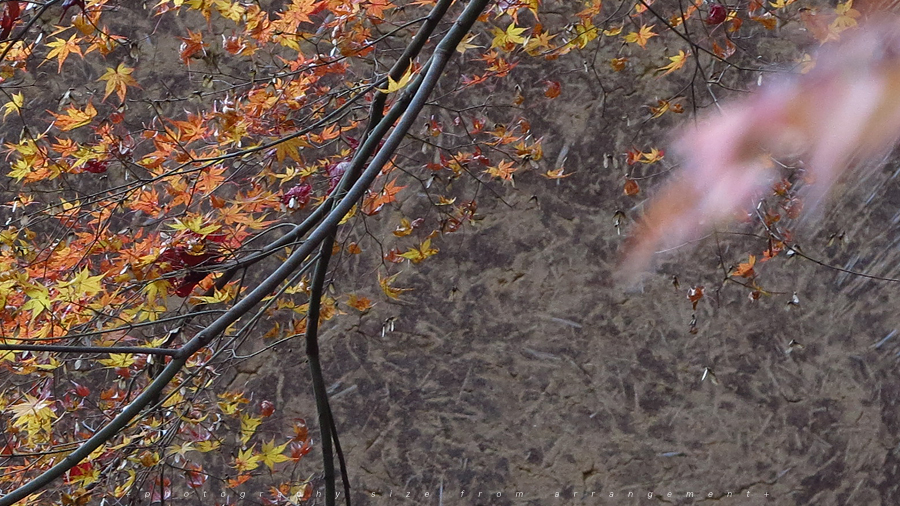
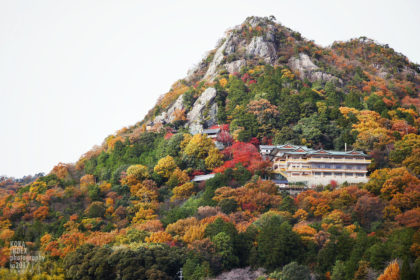
Kyorinbo Temple is a Tendai Buddhist temple located in Azuchi, Omihachiman City, Shiga Prefecture. It is known as a celebrated autumn destination, where the grounds are dyed deep red with maple leaves, as well as for its Momoyama-period garden featuring massive stones.
The temple is said to have been founded in 605 by Prince Shotoku. The name “Kyorin” originates from the legend that Prince Shotoku once preached his teachings in a forest. Within the grounds remain a large rock known as the Prince Shotoku Preaching Rock and a sacred cave that enshrines the principal image, which is why the temple has long been called the Stone Temple.
The principal image is a stone Buddha believed to have been carved by Prince Shotoku himself. According to legend, it saved a woman from a difficult childbirth through a surgical operation, and the Buddha has since been worshipped as a guardian of safe delivery. In addition to prayers for fertility and childbirth, Kyorinbo is also known as the Kannon of Second Pilgrimage. As expressed in an old devotional poem, it is believed that even the most difficult wishes may be fulfilled if one visits the temple twice.
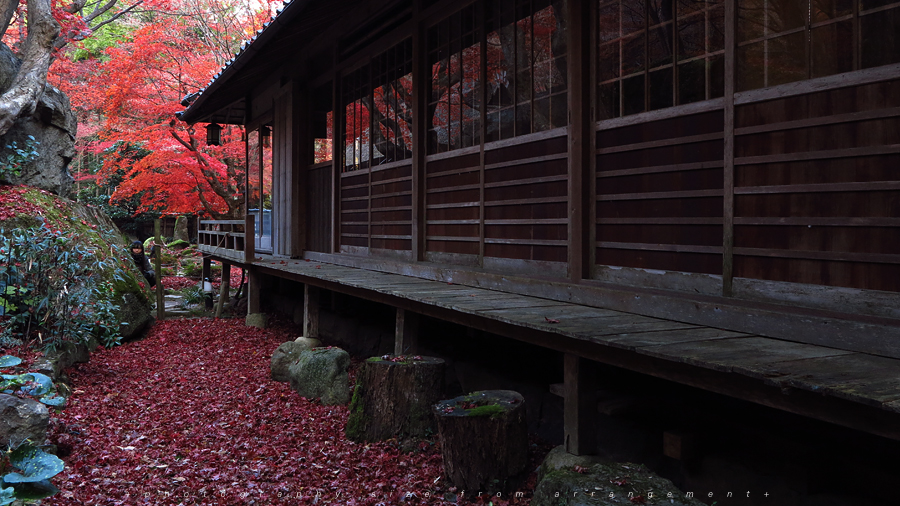
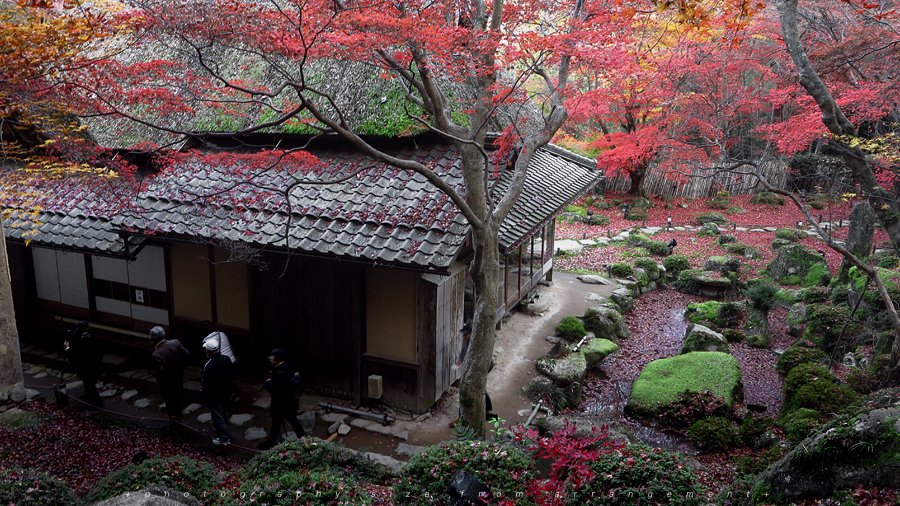
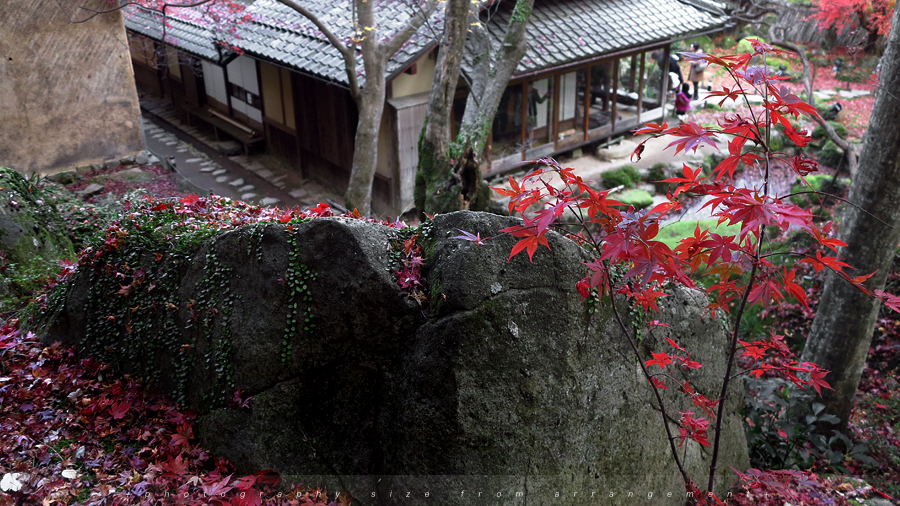
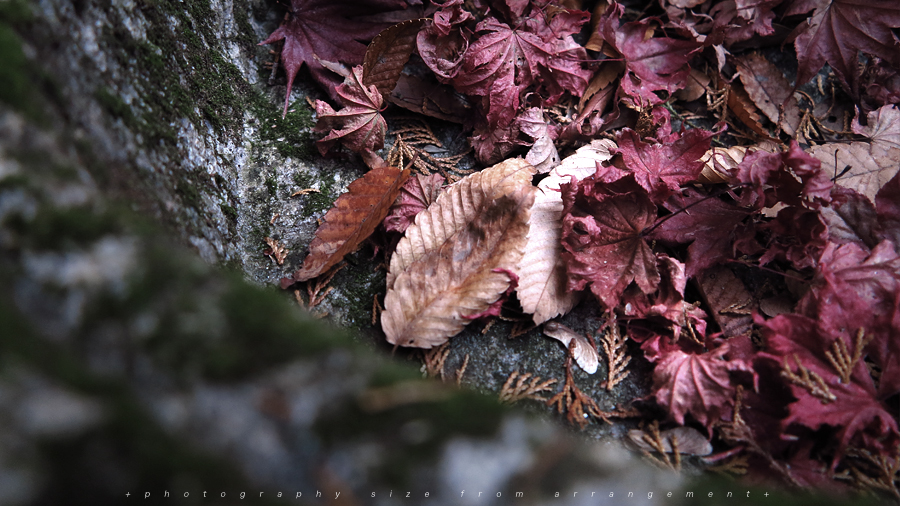
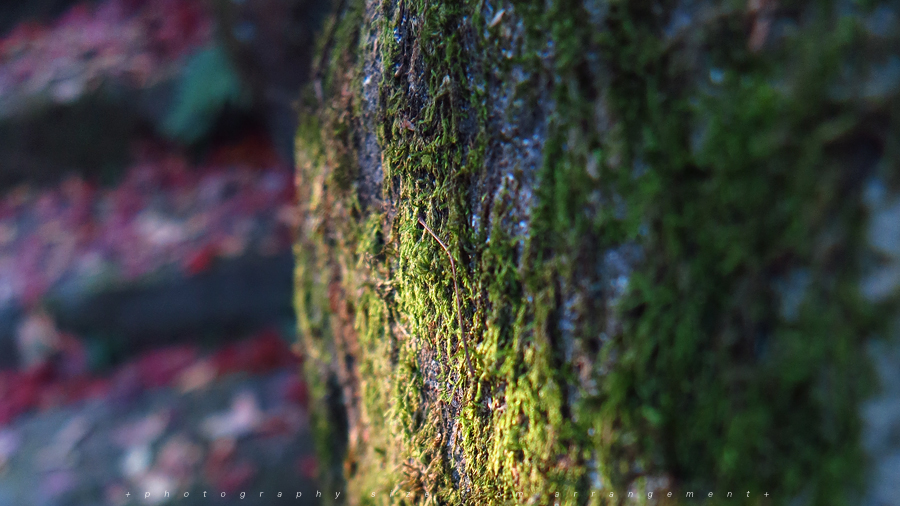
The temple grounds are covered in moss, creating the quiet atmosphere of an ancient sanctuary. The garden, attributed to Kobori Enshu, is scattered with moss-covered stones and monumental rocks. This distinctive landscape was introduced by writer Masako Shirasu in her book Hidden Villages, under the title The Stone Temple.
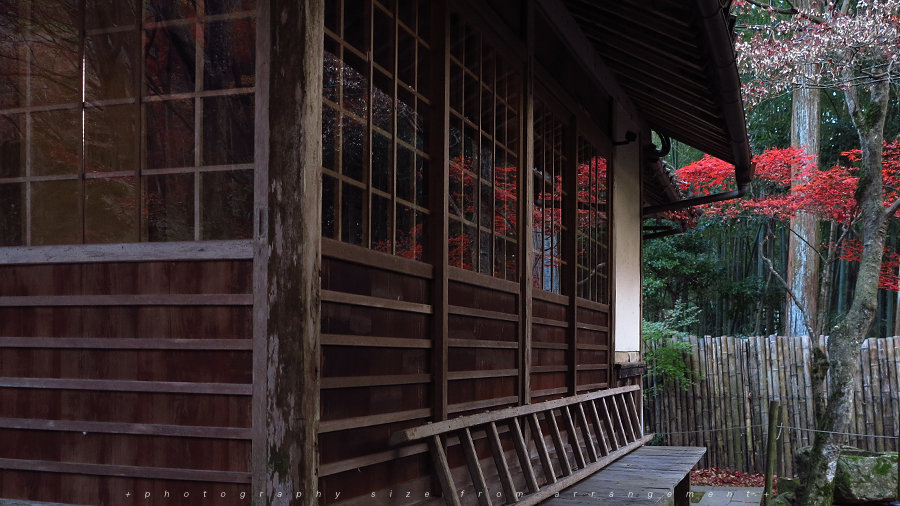
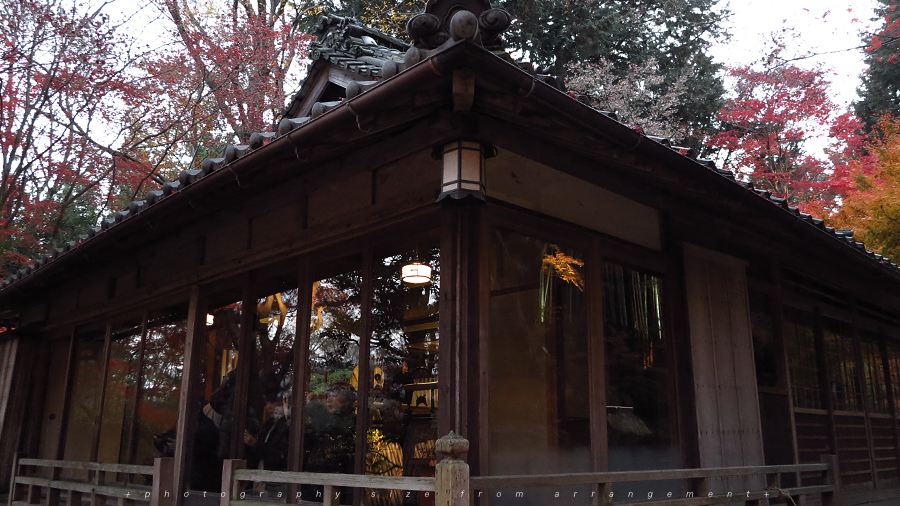
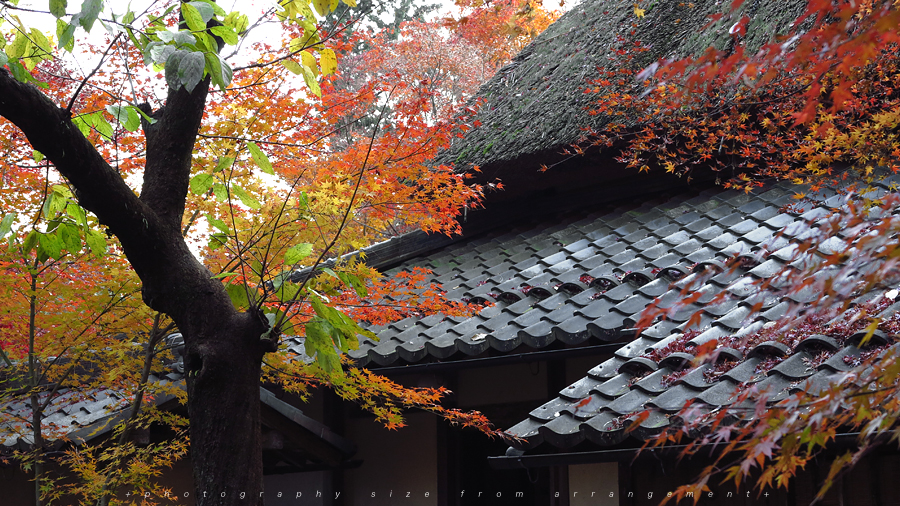
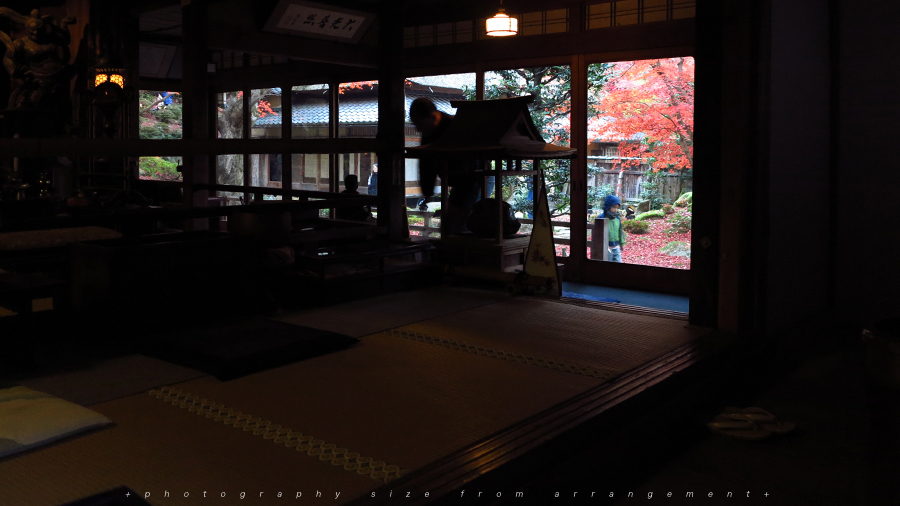
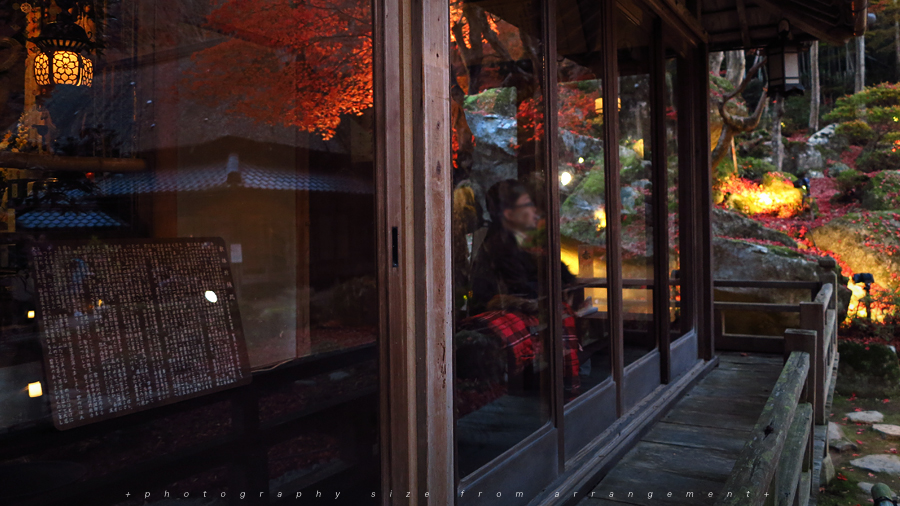
Facing the garden stands the thatched-roof study hall, designated as a tangible cultural property by the city, along with storehouses and the main gate, all dating back to the Edo period. Together with the garden, they create a strong sense of wabi-sabi. The view from the study hall is especially admired and is often called a hanging scroll garden, resembling an ink landscape painting that changes with the seasons.
Kyorinbo temple website
https://kyourinbo.jimdofree.com/
Annual Events
(Event dates vary from year to year.)
- ・Autumn Illumination of Maple Leaves
- ・Spring & Autumn Tea Gatherings (April & October)
- ・Incense Ceremony (Kyorinbo School)
Public opening schedules vary from year to year. Please check the latest dates before visiting.
Opening Periods & Visiting Notes
Kyorinbo is not open year-round, and public access is limited to specific seasonal periods.
The temple is typically open to the public in spring and autumn, with opening schedules that vary from year to year. In general, spring openings are limited to weekends and national holidays, while autumn openings extend over a longer period, including both weekends and select weekdays. Outside these seasonal periods, the temple remains closed to visitors.
During open seasons, the parking area can become very crowded, so weekday visits are recommended whenever possible. Pets are not allowed on the grounds. The use of tripods or monopods, extended sketching sessions, and drone photography are prohibited. Permission is required for any commercial or business-related photography or video use. Pre-wedding and coming-of-age photo shoots are not accepted during the busy autumn viewing period.
Impressions from an Autumn Visit
Kyorinbo is not a large temple, but its compact size allows visitors to fully appreciate its atmosphere. The buildings, garden, stones, and moss are all close at hand, creating a sense of intimacy and calm that feels deeply rooted in traditional Japan.
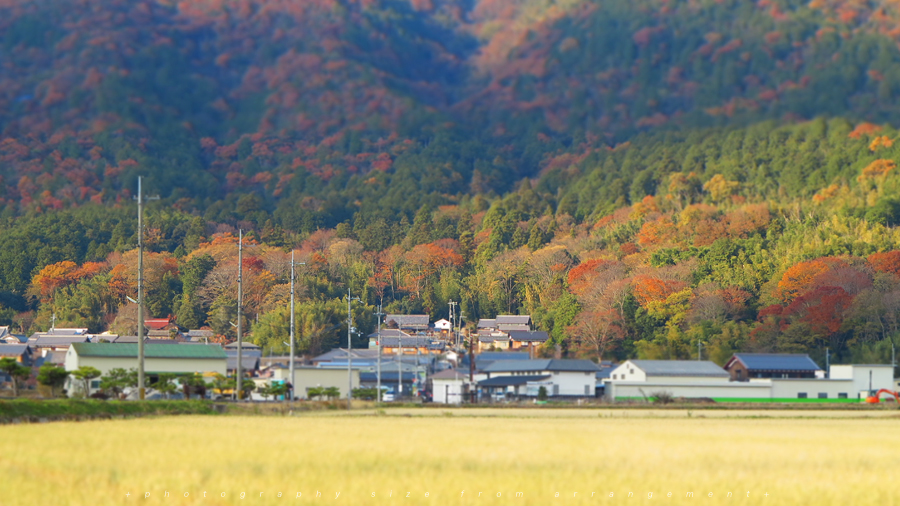
Walking through the grounds and moving from building to garden feels like stepping back in time, offering a quietly special experience unique to an old temple. Beyond the vivid autumn colors, the visit felt like an immersion into the Japanese countryside in autumn. The historic architecture, garden, and surrounding forest come together as one, gently conveying a sense of Japan’s layered history and the passage of time.
Access to Kyorinbo Temple
From Azuchi Station, taxis and occasional buses run to the temple, and a 60-minute walk is also possible.
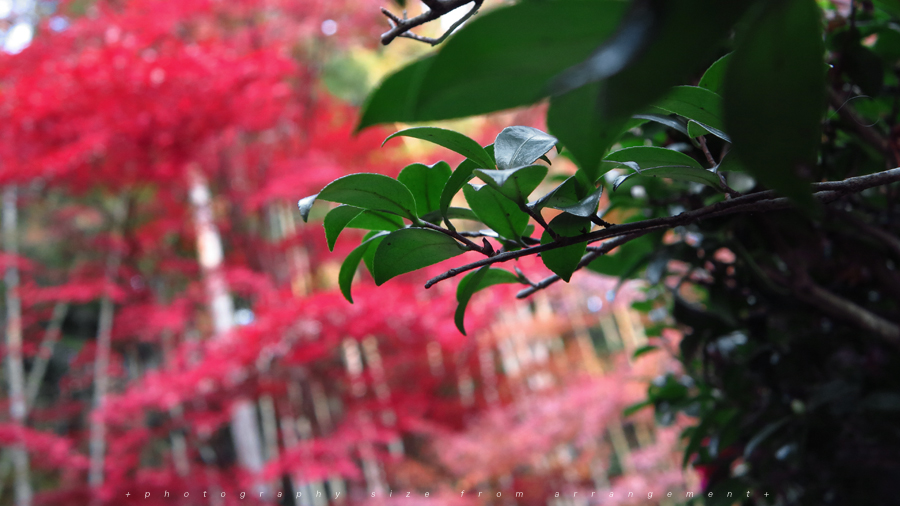
Kyorinbo in Autumn (Photographs)

コメントを残す